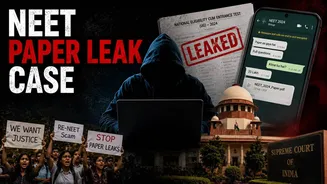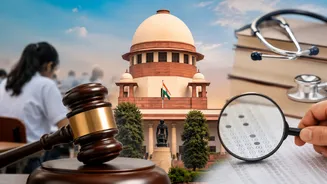






The Supreme Court is scheduled to hear a petition filed by the Federation of All India Medical Association (FAIMA) and the United Doctors' Front (UDF)
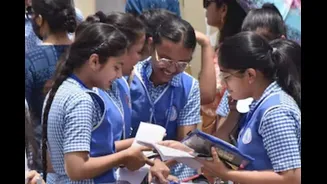
in connection with alleged irregularities in the NEET examination process. The petitioners have sought the immediate dissolution of the National Testing Agency (NTA) and the establishment of an independent body to conduct the medical entrance examination. The plea also seeks a court-monitored Central Bureau of Investigation (CBI) probe into the NEET paper leak and systemic failures within the examination mechanism. During the previous hearing, the Supreme Court had issued notices to the NTA, the Centre and the CBI, seeking their responses. The bench had expressed concern over recurring issues in NEET examinations and remarked that it was "sad" that the NTA appeared not to have learned lessons from previous paper leak incidents. The observations came amid growing scrutiny over the examination body's functioning following repeated allegations of question paper leaks and the conduct of re-examinations in recent years. Supreme Court Raises Questions on NTA's Examination System The apex court had made several significant observations during the last hearing, questioning the effectiveness of safeguards put in place for one of India's largest entrance examinations. Among its key remarks, the court said it appeared that the NTA had not learned any lessons from past incidents of paper leaks. It questioned why such leaks continued despite assurances of a fool-proof system and sought details on the implementation of the recommendations made by the high-level committee headed by former ISRO chief K. Radhakrishnan. The bench asked whether any authority was monitoring the implementation of these recommendations and suggested that the NTA should learn from examination bodies such as the Union Public Service Commission (UPSC), which has not witnessed question paper leak controversies in its recruitment examinations. The Supreme Court further observed that either there was something wrong with the recommendations themselves or there was a lack of implementation. It stressed that accountability must be fixed and questioned which individuals or authorities were responsible for ensuring examination security. The court also noted that the existing system required changes and stated that incidents like the alleged NEET paper leaks of 2024 and 2026 should not recur. It directed the Centre to explain how future examinations would be conducted and suggested that experts be included in any panel tasked with strengthening the examination process. Emphasising the emotional and academic stakes involved, the bench observed that creating a tamper-proof system was not beyond the country's capabilities. It noted that students invest years of preparation and that examination leaks and re-examinations affect not only candidates but also their families. The matter is expected to come up for hearing before the Supreme Court, where the Centre, NTA and CBI are likely to present their responses to the allegations and the reliefs sought by the petitioners.