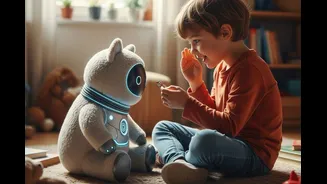
Advocacy groups and experts have condemned YouTube for providing low-quality artificial intelligence-generated videos to children, a demographic they consider
particularly vulnerable. The children's advocacy group Fairplay has expressed significant concerns regarding the proliferation of AI-generated content on YouTube and YouTube Kids. In a letter addressed to YouTube CEO Neal Mohan and Google CEO Sundar Pichai, Fairplay, along with over 200 organizations and experts including child psychiatrists and educators, called for immediate action to mitigate the impact of these videos on children's development. The letter was dispatched on Wednesday morning.
Concerns Over AI Content Impact
The letter articulates that this 'AI slop' negatively influences children's development by distorting their perception of reality, hindering their learning processes, and monopolizing their attention. This, they argue, leads to extended screen time and detracts from offline activities essential for healthy growth, especially among younger children.
Recommendations for YouTube
Fairplay has urged YouTube to implement clear labeling for all AI-generated content and to prohibit such material on YouTube Kids. They also propose restricting AI-generated videos from being recommended to users under 18 and enabling parents to disable AI-generated content, even if their child searches for it.
Broad Support for the Campaign
The letter has garnered signatures from 135 organizations, including the American Federation of Teachers and the American Counseling Association, as well as around 100 individual experts, including Jonathan Haidt, author of 'The Anxious Generation.' This initiative is part of a broader campaign by Fairplay that includes a petition.
Characteristics of AI-Generated Content
According to the letter, much of the AI-generated content is characterized by rapid pacing, vibrant colors, engaging music, and clickbait titles designed to capture the attention of young viewers. This has fueled a growing backlash against such content online, particularly when it appears low-quality or devoid of meaningful content, often referred to as 'brainrot.'
YouTube's Response
YouTube spokesperson Boot Bullwinkle stated that the platform maintains high standards for content on YouTube Kids, limiting AI-generated material to a select few high-quality channels. Bullwinkle emphasized that the company prioritizes transparency regarding AI content, requiring creators to disclose when their content includes altered or synthetic media.
Current Policy on AI Content
YouTube's existing policy mandates that creators disclose when realistic content is produced using altered or synthetic media, including generative AI. However, creators do not need to disclose the use of generative AI for content that is clearly unrealistic, such as animated videos or those featuring special effects.
Fairplay's Critique of YouTube's Measures
Fairplay contends that the current voluntary disclosure policy, along with what they describe as an 'extremely limited' definition of altered and synthetic content, allows children to encounter a significant volume of unlabeled AI-generated videos. They argue that many young viewers lack the reading skills necessary to understand AI disclosures, leaving them vulnerable.
Recent Developments in AI Investment
This campaign emerges shortly after Google's AI Futures Fund invested $1 million in Animaj, an AI animation studio that produces videos for children and reportedly achieves high viewership numbers. This move raises further concerns about the quality and impact of AI-generated content targeted at young audiences.
Legal Context and Future Considerations
The campaign follows a significant verdict in a social media addiction trial, where a California jury concluded that YouTube designed its platform to engage young users without regard for their well-being. Meta was also found liable for similar issues in the same case.
Statements from Advocacy Leaders
Rachel Franz, director of Fairplay’s Young Children Thrive Offline program, remarked that the promotion of AI-generated content to young children illustrates YouTube's focus on maximizing online engagement among its youngest users. Franz stated, 'AI slop hypnotizes young children, making it difficult for them to disengage from screens and participate in essential activities like play, sleep, and social interaction.'
YouTube's Future Goals
Earlier this year, YouTube head Mohan identified 'managing AI slop' as a priority for 2026. In a January blog post, he outlined the company's commitment to enhancing its systems to combat spam, clickbait, and the spread of low-quality content.