







The United States Indo-Pacific Command (INDOPACOM) confirmed that American forces conducted a right-of-visit boarding of the tanker Veronica III in the Indian
Ocean, describing the move as part of expanded sanctions enforcement against Venezuela-linked oil shipments. In a forceful statement posted on X, the United States Department of War said, “We defend the Homeland forward. Distance does not protect you.” The post added that US forces tracked the vessel “from the Caribbean to the Indian Ocean” before closing in and boarding it without incident. The Panama-flagged Veronica III is reportedly tied to networks moving sanctioned Venezuelan crude, according to US officials. The tanker is believed to have been carrying nearly two million barrels of oil and fuel products when intercepted.
We defend the Homeland forward. Distance does not protect you.
Overnight, U.S. forces conducted a right-of-visit, maritime interdiction and boarding of the Veronica III without incident in the INDOPACOM area of responsibility.
The vessel tried to defy President Trump’s… pic.twitter.com/Tran3cLR9g— Department of War 🇺🇸 (@DeptofWar) February 15, 2026
President Donald Trump last year imposed what administration officials described as a maritime quarantine targeting sanctioned vessels moving Venezuelan oil. The Veronica III, according to US authorities, attempted to evade that order by rerouting and operating across multiple maritime zones.
Second Boarding In Weeks
The interception of Veronica III marks the second high-profile boarding in the Indian Ocean this month. Earlier, US forces conducted a similar operation against another tanker, Aquila II, which remains under review pending further determination of its legal status.
US officials framed the latest action as a lawful maritime interdiction conducted under international law. A right-of-visit boarding permits naval forces to inspect vessels on the high seas when there are reasonable grounds to suspect sanction violations, piracy, or other illicit activity.
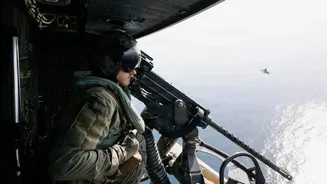
The Pentagon did not confirm whether the Veronica III has been formally seized or redirected, stating only that the boarding was completed “without incident.” Video footage released by the military shows personnel approaching the tanker in open waters before securing access to the deck.
Shipping intelligence analysts say several vessels linked to Venezuela’s oil exports departed Caribbean waters in early 2026 amid intensified US monitoring. Authorities allege that some tankers have attempted to avoid detection by altering flags, manipulating tracking data or shifting cargo documentation.
Escalating Maritime Enforcement
Washington has steadily increased pressure on Venezuela’s energy sector over recent years, accusing Caracas of using a so-called “shadow fleet” to bypass sanctions. Officials argue that interdictions such as the Veronica III boarding are intended to deny illicit actors freedom of movement across international waters.
The Department of War’s statement underscored the administration’s assertive posture, declaring, “International waters are not sanctuary. By land, air, or sea, we will find you and deliver justice.” The language signals a broader enforcement strategy that extends beyond traditional regional boundaries.
The Indian Ocean interception demonstrates the operational reach of US forces, capable of tracking vessels across multiple theatres before executing boarding operations. Defence officials emphasised that the action fell squarely within INDOPACOM’s area of responsibility.
No casualties or injuries were reported during the operation. As of now, US authorities have not detailed next steps regarding the vessel’s cargo, ownership status or potential seizure proceedings.