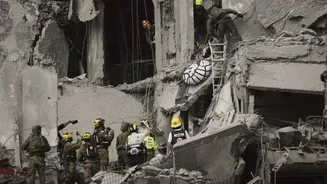









The ongoing Iran war is inflicting a growing humanitarian toll across the Middle East, with children emerging among the most vulnerable victims of the expanding
conflict. According to the United Nations children’s agency UNICEF, more than 1,100 children have been reported injured or killed since the fighting began on February 28. The figures include at least 200 children killed in Iran, 91 in Lebanon, four in Israel and one in Kuwait, according to data released by the organisation. Officials warn the number is likely to increase as airstrikes, missile attacks and ground operations continue across multiple fronts in the region. UNICEF says the intensifying violence is pushing millions of children into increasingly dangerous conditions. “Ten days into the intensifying conflict in the Middle East, the situation is becoming catastrophic for millions of children across the region,” the agency says in a statement. The organisation stresses that continued bombardment is damaging civilian infrastructure that children depend on for survival.
Schools, Hospitals And Infrastructure Under Strain
The war has disrupted education across several countries in the region as schools are forced to close amid security concerns. UNICEF says millions of children are currently out of school as the conflict spreads across the Middle East. Hundreds of thousands have also been displaced from their homes by ongoing bombardment and military operations.
The destruction or damage of hospitals, schools and water systems is compounding the humanitarian crisis. These facilities provide essential services for children, including medical care, safe drinking water and education. Humanitarian agencies warn that the breakdown of such services can have long-term consequences for child health and development.
UNICEF Calls For Protection Of Civilians
UNICEF says the violence may constitute serious violations of international law if civilians and children are being harmed. The agency emphasises that attacks on civilians and critical infrastructure may breach international humanitarian law and international human rights law.
It is urging all parties involved in the Iran war to take measures to minimise harm to civilians. UNICEF also reiterates the United Nations Secretary-General’s call for diplomatic negotiations to end the fighting.
The agency specifically warns against the use of explosive weapons in densely populated areas because such weapons often disproportionately affect children.
“The region’s children — all 200 million of them — are counting on the world to act quickly,” UNICEF says in its appeal. The humanitarian concerns are emerging as the broader conflict continues to escalate across the Middle East.
Iran’s Islamic Revolutionary Guard Corps has launched ballistic missiles toward Israel while Israeli and US strikes have targeted Iranian military and nuclear-related sites. Air raid sirens have sounded across parts of Israel and neighbouring countries as missile launches and drone attacks continue across the region.
Energy markets have also been affected, with oil prices surging above $100 per barrel amid fears of supply disruptions linked to the conflict. Despite growing international alarm, military operations continue as both sides exchange attacks across multiple fronts. Humanitarian organisations warn that unless the fighting stops, the impact on children across the Middle East will continue to worsen.