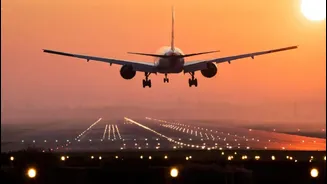








Air travel is likely to become more expensive from today, as the government removes the cap on domestic airfares starting March 23, 2026. The Rs 18,000
upper limit on ticket prices, introduced in December 2025 during the IndiGo crisis, will no longer apply, allowing airlines greater flexibility in pricing. This move comes at a time when carriers are grappling with rising operational costs, putting pressure on their financial health and raising concerns about higher ticket prices for passengers. Airlines are currently dealing with a sharp rise in expenses, driven largely by external factors. The ongoing geopolitical tensions in West Asia have weakened the rupee, pushing up dollar-denominated costs such as aircraft leasing and maintenance. At the same time, aviation turbine fuel (ATF), a major cost component, has become significantly more expensive. Despite repeated requests from airlines, there has been no major relief on excise duty or VAT on fuel, especially in key markets like Delhi and Mumbai. With costs climbing rapidly, airlines had urged the government to either control fares alongside costs or remove restrictions altogether. The latest decision effectively allows carriers to adjust prices in response to market conditions. Government’s Stand And Industry Challenges While lifting the cap, the aviation ministry has cautioned airlines against unreasonable pricing. It stated that “excessive or unjustified surge in fares during periods of peak demand, disruptions, or exigencies, will be viewed seriously” and added that fare controls could be reintroduced if necessary in the public interest. The ministry also noted that with operations stabilising and capacity returning to normal levels, it was appropriate to withdraw fare restrictions. Airlines have been asked to ensure that pricing remains fair, transparent, and aligned with market realities. However, the industry continues to face one of its toughest periods since the COVID-19 pandemic. While larger players like IndiGo and the Tata Group-backed Air India have stronger financial backing, smaller airlines are struggling to stay afloat. Airlines acknowledge that while they need to pass on rising costs, there is a natural limit to fare hikes due to demand sensitivity. Air India CEO Campbell Wilson highlighted this concern, saying, “The financial impact of this crisis is yet to be fully felt, as although the spot price of jet fuel has more than doubled, most of the impact will only hit us from next month. We, like other Indian carriers, have already imposed a fuel surcharge on new tickets to help mitigate this imminent cost increase, but not every customer is willing to pay higher airfares, so there is a limit to how high we can price before demand drops.” What It Means For Travellers For passengers, this change could translate into higher ticket prices, especially during peak travel periods. While competition among airlines may prevent extreme spikes, the overall trend is likely to remain upward in the near term. With fuel costs rising and global uncertainties persisting, airfare pricing is expected to remain closely tied to both economic conditions and geopolitical developments.