






What is the story about?
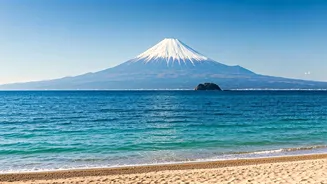
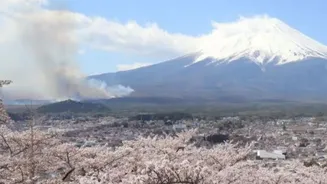
Japanese authorities in the town of Fujiyoshida, near Mount Fuji, have announced the cancellation of this year’s cherry blossom festival. Officials cited
the large number of tourists and the strain on local residents as the main reasons for the decision. The festival, held annually at Arakurayama Sengen Park, draws thousands of visitors every year who are eager to see Japan’s famous cherry trees in full bloom, often with Mount Fuji in the background. However, officials said that the surge in tourism has caused traffic congestion, litter, and safety concerns for local residents.
Why Was The Festival Cancelled?
According to Fujiyoshida Mayor Shigeru Horiuchi, the town is facing a “strong sense of crisis.” Authorities say that in recent years, the number of visitors has increased dramatically, exceeding the town’s capacity. On peak days, as many as 10,000 tourists visit Fujiyoshida, causing serious challenges for residents.
ALSO READ | WATCH: Russians Start An Avalanche With Cannon At Mount Elbrus In Russia
Mayor Horiuchi said that some visitors have trespassed on private property, opened doors without permission, or defecated in yards, creating a difficult living environment. To protect the dignity and living environment of residents, the city decided to end the 10-year-old festival.
How Is Japan Managing Tourist Crowds Elsewhere?
Fujiyoshida is not the only Japanese town dealing with overcrowding. In 2024, Fujikawaguchiko authorities blocked a popular photo spot with a large barrier after foreign tourists littered and parked illegally, according to BBC report.
The problem is exacerbated by social media, which encourages photo-seekers, and by a weaker yen, which draws international visitors.
Other countries are also taking steps to manage tourists. In Italy, authorities introduced a €2 fee to access the Trevi Fountain and €5–€10 fees in Venice for day-trippers. These measures are aimed at controlling crowds and maintaining public spaces.
Although this year’s festival will not take place, Fujiyoshida authorities say they will continue to prepare for visitors in April and May.