






What is the story about?
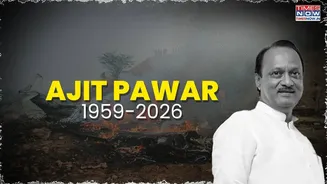
Ajit Anantrao Pawar lived and breathed Maharashtra politics for more than three decades. He was a figure of grit, ambition, and constant reinvention. In
Baramati, he was known simply as “Dada” — a title that reflected respect, influence and often controversy. Ajit Pawar Death News LIVE Updates here .
From Baramati To Maharashtra's Corridors Of Power
Born on 22 July 1959 in Deolali Pravara, Ahmednagar district, Pawar’s early life was shaped by hard responsibility. He came from a family with deep political roots. His uncle, Sharad Pawar, remains one of India’s most influential regional leaders. But from the start, Ajit carved his own path. He began in local institutions — milk unions, cooperative societies, sugar factories and banks — grounding himself in Maharashtra’s grassroots.
Also Read: What We Know About Ajit Pawar's Aircraft That Crashed In Baramati
His big break came in 1991, when he was elected to the Lok Sabha from Baramati. He soon shifted to state politics and emerged as a fixture in the Maharashtra Legislative Assembly. He was a master strategist, a negotiator, a political operator who understood the twists of coalition and caste equations in the state.
Pawar’s tenure in power was long and varied. He served as Deputy Chief Minister of Maharashtra six times, across governments led by different alliances. He held key portfolios, including irrigation, power and planning.
He worked under Chief Ministers from Prithviraj Chavan to Devendra Fadnavis, and in shifting alliances that showcased his political versatility and adaptability.
In a state where political loyalties shift like sand, Pawar was a master of reinvention. In 2019, in a dramatic political twist, he joined hands with Devendra Fadnavis of the BJP to become Deputy Chief Minister in a sudden government change, shaking Maharashtra’s political landscape.
Also Read: What Happened in Baramati? First Visuals From Ajit Pawar’s Plane Crash Site
He later returned to the Maha Vikas Aghadi (MVA) coalition with Uddhav Thackeray, only to break away again in 2023. That move split the Nationalist Congress Party (NCP), creating two factions — one led by Sharad Pawar, the other by Ajit Pawar himself. In early 2024, the Election Commission recognised Ajit’s faction as the official NCP.
This ability to survive and adapt became his hallmark: a leader who could remain in power through shifting tides. His rivals called him opportunistic. His supporters called him pragmatic. But all agreed he was central to Maharashtra’s political narrative.
Off the streets and election floors, Ajit Pawar was also known for ambitious developmental pushes. As Deputy CM, he backed large infrastructure projects — like the proposed Purandar international airport, slated to become one of India’s biggest in area — and initiatives to boost regional connectivity and economic growth.
Ajit Pawar's Personal Life
His personal life was quieter than his public persona. Married with two children, he split time between the corridors of power in Mumbai and his political stronghold in Baramati. There, his presence was deeply felt — in local cooperatives, in development narratives, and in the loyalties he cultivated over decades.
In the end, Ajit Pawar’s legacy was neither simple nor singular. He was a product of Maharashtra’s vibrant — and often turbulent — political culture. A leader shaped by grassroots realities, brotherhood and rivalry, ambition and adaptability. He was, unmistakably, one of Maharashtra’s most enduring political figures.
For many in his home state, Ajit Dada will first be remembered as the relentless strongman who shaped Maharashtra politics for a generation.