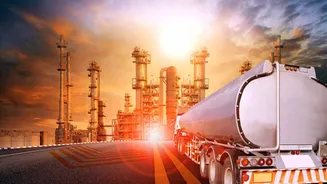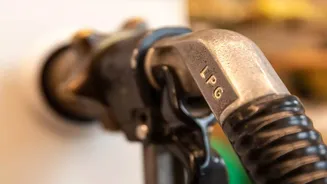




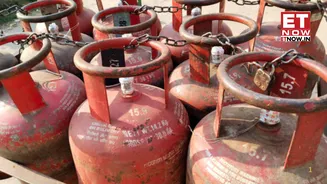
India has taken a significant step by initiating plans to build an extensive liquefied petroleum gas (LPG) pipeline network. This step will reduce the
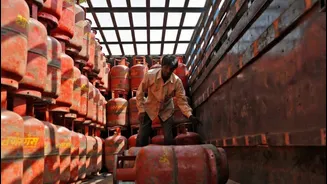
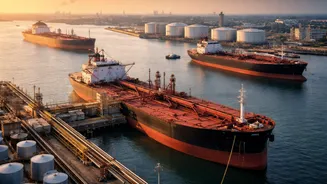
dependence on bulk road transportation of cooking fuel, which currently carries a large share of the country’s LPG supply. The Petroleum and Natural Gas Regulatory Board (PNGRB) is in the final stages of evaluating bids for four major pipeline projects. These projects together involve an estimated investment of Rs 12,500 crore and span a total length of around 2,500 km. The four proposed pipelines include the Cherlapally–Nagpur route, Shikrapur–Hubli–Goa corridor, Paradip–Raipur link, and the Jhansi–Sitarganj stretch. These projects are part of a broader plan under which nine LPG pipeline developments have been identified. PNGRB initiated the process through a suo motu proposal and has actively pushed forward the bidding process. The goal is to significantly cut down the movement of LPG via road tankers and shift toward a more efficient pipeline-based system. A key driver behind the pipeline push is safety. Transporting LPG by road has historically been associated with accident risks, prompting authorities to explore safer alternatives. “This has marked a major stride towards strengthening India’s energy logistics network and would enhance reliability, safety, efficiency, and environmental sustainability of LPG transportation across the country,” PNGRB said. “In view of precedent accidents associated with LPG transportation by road, the modal transfer from road to pipelines would reduce risks involved in road transportation, ensuring safer and more dependable delivery,” PNGRB said. Strengthening Supply And Storage Capabilities Beyond transportation, the pipelines are expected to act as a dual purpose by acting as storage buffers during emergencies or supply disruptions. This could prove critical in maintaining consistent LPG availability across regions. The infrastructure is being designed to connect refineries and import terminals directly with bottling plants, ensuring smoother movement and distribution of LPG nationwide. With consumption steadily rising across both domestic and commercial segments, the need for a robust and efficient supply chain has become increasingly urgent. While pipelines are considered the most efficient mode for LPG transport, a substantial portion is still handled through bulk tankers.