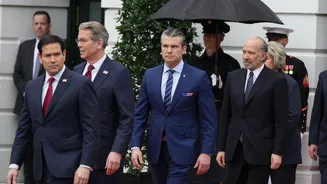
Defense Secretary Pete Hegseth is set to testify before lawmakers for the first time since the onset of the U.S. military conflict with Iran, which has
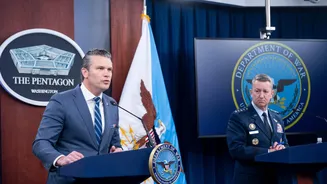
been criticized by Democrats as an unnecessary and costly war initiated without congressional authorization. The hearing, scheduled for Wednesday before the House Armed Services Committee, will address the administration's proposed military budget for 2027, which aims to increase defense spending to a historic $1.5 trillion. Hegseth, alongside Gen. Dan Caine, the chairman of the Joint Chiefs of Staff, is expected to emphasize the urgent need for enhanced military capabilities, including drones and missile defense systems.
Democratic Concerns Over Military Strategy
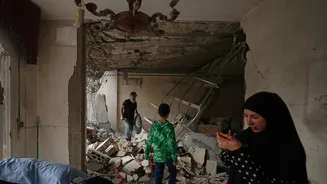
Democratic lawmakers are anticipated to challenge Hegseth regarding the escalating costs associated with the Iran war, the significant depletion of U.S. munitions, and the tragic bombing of a school that resulted in civilian casualties. They may also question the military's readiness to counter Iranian drone attacks that have breached U.S. defenses, leading to American casualties. Conversely, Republican representatives are expected to express continued support for President Trump's military leadership.
Stalled Peace Negotiations
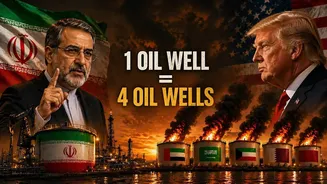
While the conflict continues, diplomatic efforts to reach a resolution appear to have stalled. Trump criticized Iran's inability to engage effectively in negotiations, stating, “Iran can’t get their act together. They don’t know how to sign a nonnuclear deal. They better get smart soon!” His comments were accompanied by a provocative AI-generated image on his social media platform, reinforcing his assertive stance.
Congressional Hearing Dynamics
The hearing commenced with a crowded room, where public voices clamored for transparency. Attendees outside the hearing room chanted, “Let the public in,” as lawmakers took their seats. This session marks Hegseth's first public response to inquiries regarding the Iran conflict on Capitol Hill, with Gen. Dan Caine present alongside him.
International Negotiations and Nuclear Concerns
In related discussions, Rafael Grossi, head of the International Atomic Energy Agency (IAEA), highlighted the complexities surrounding Iran's nuclear program and its implications for international peace efforts. He noted that while the IAEA engaged in U.S.-Iran nuclear talks, there remains a lack of consensus on critical issues such as ballistic missile programs and the activities of Iranian proxies.
Economic Impacts of the Conflict
The ongoing war has also significantly impacted regional economies. For instance, Pakistan's weekly oil import costs have surged from $300 million to $800 million since the conflict began, straining the nation’s economy. Meanwhile, Iran's national currency has plummeted to a record low against the dollar, exacerbating inflation and economic instability.
Human Rights Violations Amid Conflict
The U.N. has reported that Iran has executed at least 21 individuals since the conflict began, drawing international condemnation. The Iranian government faces scrutiny over its handling of dissent and human rights violations during this tumultuous period.
Military Casualties and Ongoing Violence
The conflict has resulted in significant casualties, including the recent death of a Lebanese army soldier due to an Israeli strike. This incident highlights the dangers faced by military personnel in the region amidst ongoing hostilities.