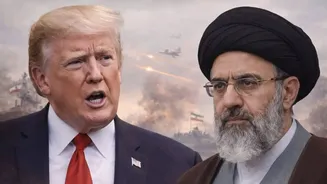









The Donald Trump administration is preparing for a possible new round of military strikes against Iran on Friday, according to sources quoted by CBS News,
even as diplomatic negotiations continued behind the scenes. The developments came as Trump announced he would not attend the wedding of his eldest son, Donald Trump Jr., this weekend, citing what he described as "circumstances pertaining to Government". Meanwhile, Iran's Foreign Minister Abbas Araghchi has told the United Nations that Washington's "excessive demands" are the main obstacle to ongoing peace negotiations. Araghchi, speaking by phone with António Guterres, said the US had repeatedly undermined diplomacy through broken promises, contradictory positions, and military aggression, but Iran is nonetheless engaging seriously in the Pakistan-mediated talks.
Military Preparations
Several sources said members of the US military and intelligence community had cancelled Memorial Day holiday plans amid expectations that military action against Iran could resume.
Officials were also said to be updating recall rosters at overseas US installations as part of wider contingency planning. The measures coincided with the rotation of American troops out of the Middle East, an effort aimed at reducing the US military footprint in the region amid fears of possible Iranian retaliation.
The United States and Iran have largely refrained from directly attacking each other since a temporary ceasefire came into effect in early April, creating space for indirect negotiations over a broader agreement to end the conflict.
White House spokeswoman Anna Kelly said President Trump's position remained unchanged. "President Trump has made his redlines abundantly clear: Iran can never possess a nuclear weapon, and they cannot keep their enriched uranium," she told CBS News.
"The President always maintains all options at all times, and it is the job of the Pentagon to be ready to execute any decision the Commander-in-Chief could make," she added. "The President has been clear about the consequences if Iran fails to make a deal."
Iran's Warning
This week, Iran's Islamic Revolutionary Guard Corps warned that any further strikes by the US or Israel could expand the conflict beyond the Middle East. The force said it would deliver "crushing blows … in places you cannot even imagine".
Tehran is currently reviewing what US officials described as a final proposal aimed at ending the nearly three-month conflict, which has disrupted global energy markets and pushed fuel prices higher.
According to sources cited by CBS News, the proposal was delivered to Iran on Wednesday alongside a warning that military strikes could resume if the offer was rejected. "Iran is dying to make a deal," Trump told reporters on Friday. "We'll see what happens."
The president had earlier said he was prepared to give Tehran "a couple of days" to respond to the proposal, while praising Iranian negotiators but insisting on stronger guarantees to prevent renewed conflict.
Pakistan and Gulf Countries Step Up Mediation
A response from Iran is expected to be transmitted through Pakistan, which has emerged as a key intermediary between Washington and Tehran.
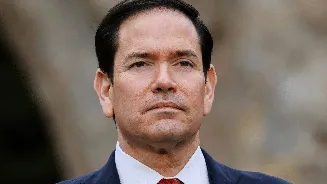
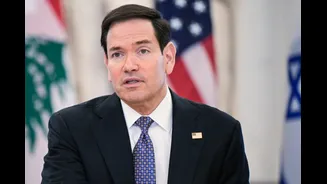
Before travelling to India, Secretary of State Marco Rubio said the US expected to receive Iran's reply via Pakistan's military leadership, which has been acting as a communication channel.
Rubio said Trump still preferred diplomacy over military action and described recent talks as showing "a little bit of movement". "We await word on those conversations that are ongoing. There's been some slight progress. I don't want to exaggerate it but there's been a little bit of movement and that's good," he said in Brussels.
Rubio also referred to discussions with NATO allies in Sweden about reopening the Strait of Hormuz through military force if Iran refused to do so voluntarily, calling it "Plan B".
At the same time, Pakistan's army chief, Asim Munir, travelled to Tehran as mediation efforts intensified. A Qatari delegation was also reported to be in the Iranian capital.
According to regional mediators, the immediate goal is not a formal peace agreement but a letter of intent or memorandum of understanding that would extend the ceasefire and establish a framework for future talks.
The Red Lines
Major disagreements remain over Iran's nuclear activities and the future of maritime restrictions in the Gulf. Washington is seeking a long-term suspension of Iran's uranium enrichment programme and the transfer of its near weapons-grade material to the US. Iran, meanwhile, wants any immediate agreement to focus on ending the war, easing maritime restrictions and securing economic relief before broader nuclear concessions are discussed.
Trump has repeatedly stated that Iran must never obtain a nuclear weapon and has demanded that Tehran suspend enrichment for 20 years and surrender nearly 1,000 pounds of highly enriched uranium.
Failure to secure even a limited agreement could lead to a short period of coordinated US and Israeli strikes targeting Iran's energy infrastructure, according to people familiar with the discussions. Iran has warned it would respond forcefully to any renewed attacks.