








What is the story about?
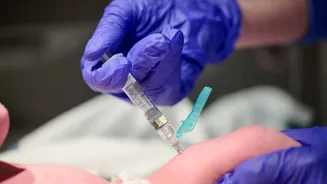
Recent observations in Idaho reveal that many parents are refusing essential preventive care for their newborns, including vitamin K shots that have been
standard for decades. A pediatrician, Dr. Tom Patterson, noted that on certain days, half of the newborns he examined did not receive these critical shots due to parental refusal. Dr. Patterson expressed concern over the implications of this trend, stating, “When you look at a child who’s innocent and vulnerable — and a simple intervention that’s been done since 1961 is refused — knowing that baby’s going out into the world is super worrisome to me.” This refusal reflects a growing skepticism towards medical advice and preventive care across the United States.
Growing Concerns Among Healthcare Professionals
Healthcare professionals nationwide are increasingly alarmed by a rise in skepticism towards established medical practices, particularly as anti-science sentiments grow. A study published in the Journal of the American Medical Association indicates that the percentage of parents refusing vitamin K shots for their newborns has nearly doubled from 2017 to 2024, climbing from 2.9% to 5.2%.Moreover, research suggests that parents who opt out of vitamin K shots are significantly more likely to refuse other critical vaccinations, such as the hepatitis B vaccine, and treatments like eye ointment designed to prevent infections. This trend raises serious public health concerns as doctors confirm an increase in refusals for these essential treatments.
Factors Influencing Parental Decisions
Parents cite various reasons for declining preventive measures, including fears of potential side effects and a desire for a more natural approach to childbirth. Dr. Steven Abelowitz, a pediatrician in California, noted that misinformation and external influences play significant roles in shaping these decisions.Abelowitz observed that mistrust regarding medical advice spans both conservative and liberal demographics, indicating a widespread skepticism that is not confined to any one political ideology. The proliferation of misinformation on social media platforms exacerbates the situation, with many parents exposed to unverified claims regarding the safety and necessity of vitamin K shots and other treatments.
The Importance of Preventive Measures
Vitamin K is crucial for newborns, as they are born with low levels of this vitamin, making them susceptible to bleeding disorders. Dr. Kristan Scott from the Children’s Hospital of Philadelphia emphasized the importance of the vitamin K shot, stating, “Vitamin K is important for helping the blood clot and preventing dangerous bleeding in babies, like bleeding into the brain.”Without this intervention, newborns who do not receive the vitamin K shot face an 81-fold increased risk of developing severe bleeding compared to those who do. Dr. David Hill, a pediatrician in Seattle, highlighted the dire consequences of avoiding such preventive care, recalling a case where a child suffered severe developmental issues due to a lack of vitamin K.
Addressing Parental Concerns
Doctors across the country are working to address parental concerns through open communication and education. Dr. Heather Felton, a pediatrician in Kentucky, emphasizes the importance of understanding specific worries parents may have about the vitamin K shot. By providing clear information about the risks associated with forgoing the shot, many families ultimately choose to proceed with the vaccination.Dr. Patterson also engages parents in discussions to clarify misconceptions. He noted that some parents become more agreeable to the vitamin K shot once they learn it is not classified as a vaccine. These dialogues, while time-consuming, are viewed as vital to ensuring the health and safety of newborns.