



What is the story about?
As inflation continues to rise, gardeners may find themselves needing to save on supplies. Instead of heading to the garden center, individuals can explore
creative recycling methods using items already available at home. Many household items can be repurposed into effective gardening tools, offering both economic and environmental benefits. From food containers to old lamp shades, there are various ways to enhance gardening without spending excessively.
Repurposing Household Items
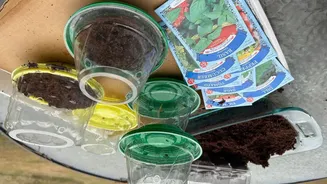
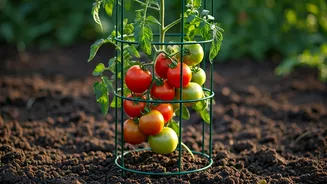
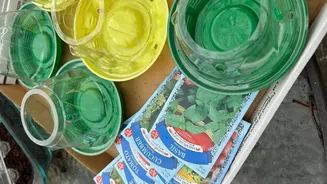
Plastic yogurt containers, when modified with holes at the bottom, serve as excellent seed-starting pots. Similarly, plastic clamshell containers from berries and lettuce can also be utilized for this purpose.For those cultivating peonies, instead of purchasing expensive plant supports, consider using large lampshade frames. These frames can be inverted over the plants, providing the necessary support as they grow, while remaining discreetly hidden by the foliage.
Another option is to convert an old patio umbrella frame into a trellis. By cutting the legs to the desired height and securely placing them into the ground, gardeners can create a stable structure for climbing plants without incurring additional costs.
Utilizing Organic Fertilizers
Fish emulsion, a potent organic fertilizer, can be created by soaking fish scraps in water for several weeks. This nutrient-rich liquid can then be used to nourish plants, or alternatively, burying fish scraps directly in the soil can provide essential nutrients.Gardeners can also benefit from using water leftover from cooking vegetables, as it contains valuable vitamins and minerals. This water can be cooled and applied to plants, provided no salt was added during cooking.
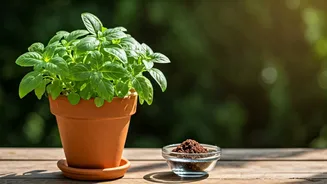
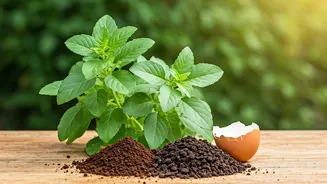
Additionally, eggshells can be ground into a powder to replace garden lime, providing calcium to the soil. Similarly, banana peels can be dehydrated and pulverized to deliver potassium to plants, promoting healthy growth.
Efficient Lawn Care Techniques
To naturally fertilize lawns, gardeners can leave grass clippings on the lawn after mowing. This practice returns nitrogen to the soil as the clippings decompose, enriching the grass without the need for commercial fertilizers.Overall, these creative recycling techniques not only help save money but also contribute to a more sustainable gardening practice, allowing individuals to cultivate their gardens more resourcefully.