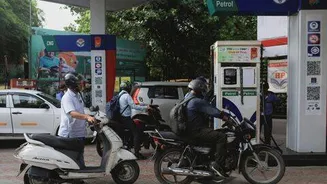








Crude prices have remained above $100 per barrel for over 10 days now, adding to the pressure on the global energy market. For India, sustained high oil
prices can have wider implications for fuel costs, inflation, the rupee, airfares and household budgets. Peter McGuire, Oil Expert & CEO-Australia, Trading.com told Times Now Digital, "crude has been above $100 per barrel (Brent Crude) since September 9 and (WTI) since September 10, with continued hostilities creating angst for global consumers and the impact on inflation is being felt on main street. The picture moving forward remains one of concern as critical reserves come under pressure and winter is quickly approaching the northern hemisphere." India imports over 85% of its crude oil requirements, making the country particularly sensitive to the sustained rise in global oil prices. Mitali Nikore, Economist and Founder, Nikore Associates told Times Now Digital, "India imports over 85% of its crude oil. A sustained run above $100 a barrel adds billions of dollars to India’s annual import bill, and that cost has to be absorbed somewhere in the economy. This spike is coming from the supply side, driven by tensions around the Strait of Hormuz, not from a jump in global demand. Supply-driven spikes have tended to reverse faster than demand-driven ones this year. Most Indian consumers will not feel this at the pump right away. Petrol and diesel prices have stayed largely flat through several rounds of crude volatility through 2026, because state-run oil marketing companies have absorbed the swings rather than passing them on. That protects household budgets in the short term. It shifts the cost onto government finances and the rupee instead. ICRA estimates that crude averaging $100 a barrel this financial year would widen India’s current account deficit, the gap between what India earns and spends abroad, to 1.9–2.2% of GDP. That is more than double the 0.7–0.8% projected earlier. SBI’s research department estimates GDP growth could ease to around 6.6% and inflation could rise to around 4.1% if prices hold near $100 for the rest of the year. Ten days at these levels is not yet a trend. Similar supply-driven spikes earlier in 2026, tied to the same regional tensions, eased within weeks. If this one extends through the quarter instead, retail fuel prices, food costs and the rupee will come under pressure together. That is when the impact moves from financial markets to household budgets."