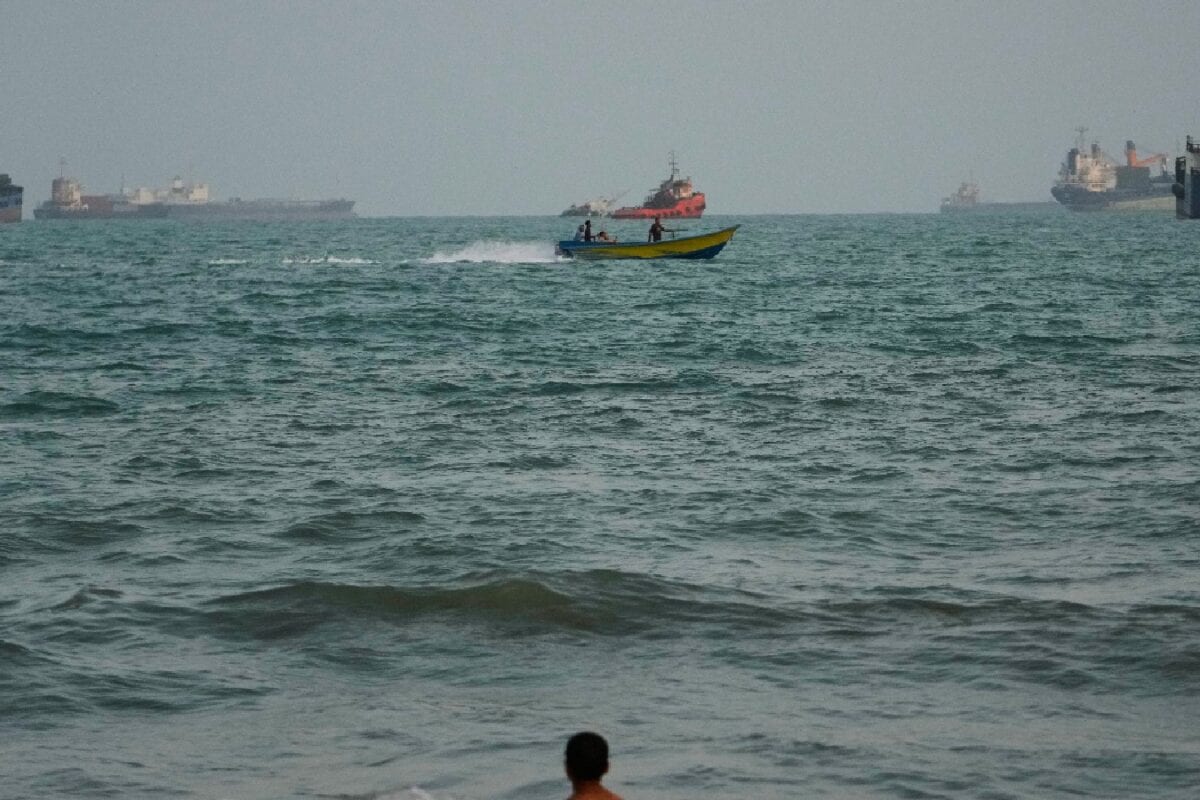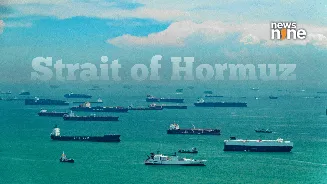






Global natural gas markets could face mounting supply pressures during the 2026–27 winter, as continued disruptions to shipments through the Strait of
Hormuz threaten to deepen an already challenging situation for the liquefied natural gas (LNG) industry, according to the International Energy Agency (IEA). The disruption has significantly affected exports from key Middle Eastern producers, particularly Qatar and the United Arab Emirates (UAE). The resulting decline in LNG availability has raised concerns about the ability of global suppliers to meet seasonal demand, especially across the Northern Hemisphere. In its latest assessment, the IEA highlighted the scale of the disruption and warned that uncertainty surrounding the reopening of the Strait of Hormuz could keep international gas markets under pressure throughout the winter. The IEA reported that LNG shipments from Qatar and the UAE fell by 60 billion cubic metres (bcm) year-on-year between March and October 2026. This reduction contributed to a 5 per cent decline in worldwide LNG production, equivalent to approximately 20 bcm. Although newly commissioned liquefaction facilities have started bringing additional volumes to the market, their contribution has not been sufficient to make up for the shortfall in Middle Eastern exports. With shipping movements through the Strait of Hormuz still severely constrained towards the end of October, the agency cautioned that the impact could extend well into the upcoming heating season. "The disruption of LNG flows through the Strait of Hormuz creates unprecedented uncertainty for the global LNG market ahead of the 2026/27 winter," the report said. It further stated that "the supply shock looks set to keep imposing tighter market conditions during the northern hemisphere winter, even as supply from new liquefaction plants around the globe continues to grow." The extent of the supply deficit will largely depend on how quickly LNG transportation through the strategic waterway returns to normal. The IEA estimates that global LNG availability could fall by 10–25 bcm year-on-year between November and March if disruptions persist. Replacing lost LNG volumes with pipeline deliveries could prove difficult, given the operational limitations of existing infrastructure. The IEA pointed out that most long-distance gas pipelines are already functioning close to their intended capacity. Consequently, there is limited room to increase transportation volumes enough to compensate for reduced LNG exports. This constraint makes the recovery of seaborne LNG trade particularly important for maintaining supply stability during the winter period. New LNG Projects Provide Additional Supply Despite the challenges facing the market, production growth from North America is expected to provide an important source of additional LNG during the winter. The United States, Canada and Mexico are likely to account for a significant share of the increase, supported by the expansion of existing operations and the commissioning of new export capacity. West Africa and Australia are also expected to contribute additional volumes. According to the IEA, newly developed LNG facilities could deliver approximately 18 bcm of additional supply over the winter months. Existing projects outside the Persian Gulf are expected to add another 3 bcm. Together, these sources could bring incremental LNG availability from outside the Persian Gulf to slightly more than 20 bcm. However, the agency warned that even this increase would not be enough to fully replace the volumes lost because of reduced exports from Qatar and the UAE. "In total, new and legacy projects outside the Persian Gulf could contribute slightly over 20 bcm of incremental supply y-o-y in the winter period. Despite the strong growth, this extra supply would remain insufficient to compensate for the lost volumes from Qatar and the United Arab Emirates," the report said. Two Possible Scenarios Could Shape Winter Gas Availability The IEA has outlined two potential outcomes for the global LNG market, depending on the timeline for restoring shipping activity through the Strait of Hormuz. Under the first scenario, the waterway would gradually begin reopening in January 2027. In that case, worldwide LNG supply could decrease by approximately 9 bcm, representing a 3 per cent year-on-year contraction during the winter period. The second scenario assumes that restrictions remain in place until the end of March 2027. Under these circumstances, the global market could experience a much larger supply reduction of around 20 bcm, or 7 per cent, compared with the same period a year earlier. The difference between these outcomes highlights how heavily winter gas availability depends on developments affecting one of the world's most important energy shipping routes. Production Delays and Unexpected Outages Add to Market Risks Beyond the immediate consequences of restricted Middle Eastern exports, the IEA identified several other factors that could further weaken the global supply outlook. Unexpected operational shutdowns at existing LNG facilities could reduce available production, while delays in increasing output at recently commissioned projects may prevent new capacity from delivering its expected contribution on schedule. These risks could become particularly significant if disruptions in the Middle East continue, leaving international markets with fewer alternatives to replace missing cargoes. Overall, the IEA's assessment points to a potentially challenging winter for global natural gas markets. Although expanding LNG production across North America, Australia and West Africa offers some relief, the additional volumes are unlikely to eliminate the supply gap created by reduced exports from Qatar and the UAE.