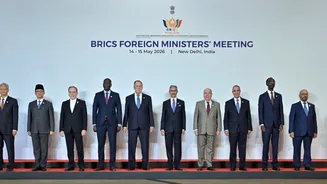






New Delhi: Sharp differences between Iran and the United Arab Emirates over the ongoing West Asia conflict emerged as a major diplomatic challenge for
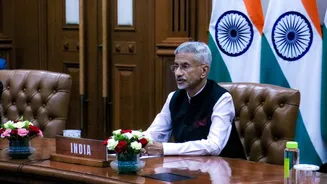
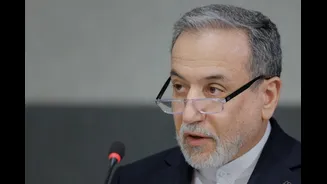
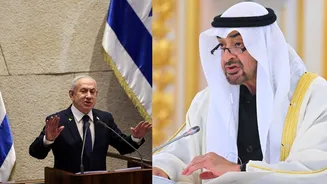
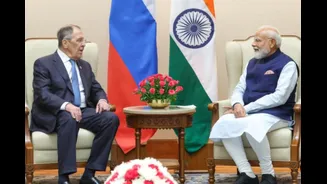
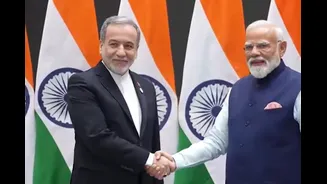
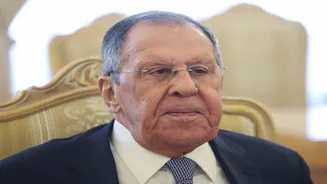
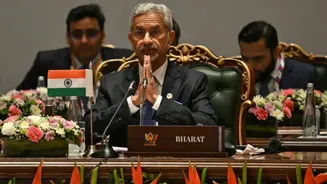
BRICS foreign ministers meeting in New Delhi, with negotiations over a joint statement hanging in balance on the opening day of talks. Diplomatic sources said efforts were underway to find common ground between the two countries, even as both sides held firm to their positions and exchanged sharp remarks during the meeting. While the UAE pushed for condemnation of Iran’s actions, Tehran urged BRICS members to explicitly criticise the United States and Israel over the conflict. Iranian foreign minister Seyed Abbas Araghchi called on member states to “explicitly condemn violations of international law by the US and Israel, including their illegal aggression against Iran”. The Iranian minister also accused the UAE of being directly involved in aggression against Tehran. According to Iranian media reports, Araghchi made the remarks while responding to what he described as “unfounded” claims by UAE junior foreign minister Khalifa Shaheen Al Marar. “In fact, I must say that the UAE was directly involved in the act of aggression against Iran. When the war of aggression began against Iran, they (UAE) refused to even condemn it,” Araghchi said, accusing the UAE of providing military bases, airspace, land and facilities to the US and Israel. “If you want Israel to provide your security, this is the result. If you want America to provide your security, this is the result you are complaining about now. Therefore, I strongly advise my brothers in the Emirates to reconsider their policy towards Iran,” he further said while addressing the UAE minister, according to Iranian state media. The disagreement has complicated attempts to arrive at a consensus-backed BRICS statement on West Asia. Officials indicated that if an agreement remains elusive, the meeting may conclude with only a Chair’s statement - similar to the outcome of a special envoys’ meeting held last month. External affairs minister S Jaishankar, in his opening remarks, underscored the importance of consensus within the grouping, particularly after the expansion of BRICS. He said it was essential for the smooth advancement of the bloc that “later members” fully appreciate and subscribe to BRICS positions on important issues. Jaishankar was referring to institutional reforms and the integration of new members into the grouping’s existing mechanisms. Iran and the UAE joined BRICS in 2024 along with Egypt and Ethiopia. Araghchi also raised allegations surrounding Israeli Prime Minister Benjamin Netanyahu’s reported “secret” visit to the UAE during the conflict, a claim Abu Dhabi has denied. “Just yesterday, it was revealed that Netanyahu had traveled to the UAE during the war. It was also revealed that they participated in these attacks and may have even acted directly against us. So, the UAE is an active partner in this aggression, and there is no doubt about it,” Araghchi said. While presenting Iran’s national statement, the minister urged BRICS nations to prevent the politicisation of international institutions and take concrete steps to halt “warmongering” and end “the impunity of those who violate the UN Charter”. “We believe that BRICS can, and must, become one of the principal pillars in shaping a more just, balanced, and humane global order; an order in which might can never make right,” Araghchi said.