







What is the story about?
BERLIN (AP) — Individuals with disabilities face various obstacles in tourism, ranging from visible barriers like inoperable elevators to subtle challenges
such as overly long excursions or noisy environments. As the baby boomer generation ages, the travel industry increasingly focuses on older adults who have the resources to travel and may require additional support. True inclusivity in accessibility extends to a wider array of tourists, including those with physical disabilities, autism, or dementia.
Advancements in Barrier-Free Tours
To better accommodate visitors with both visible and invisible disabilities, museums and cultural institutions worldwide have implemented specialized guides and barrier-free tours, facilitated by technological advancements.These initiatives include sign-language tours for the deaf or hard of hearing, tactile events for individuals with visual impairments, and programs tailored for those on the autism spectrum. Additionally, tourism agencies focused on serving disabled travelers have emerged.
Welcoming Environments for All
Offering barrier-free tours signals to individuals with disabilities that they are welcome in cultural spaces, according to Ashley Grady, an accessibility program specialist at the Smithsonian Institution's Office of Visitor Accessibility.Grady emphasized, “We’ve thought of you. We want you to come to our museums. We want you to see yourselves reflected in our staff and our collections. And we want to make these programs as accessible as possible for you, your family, your loved ones, your friends.”
Ongoing Challenges in Accessibility
Despite these advancements, gaps in accessibility remain. Ivor Ambrose, managing director of the European Network for Accessible Tourism, highlighted a persistent lack of awareness regarding the varying levels of accessibility needed by travelers.He noted, “This is actually a really big market and an opportunity, which is still not fulfilled by the operators in all these different areas of tourism.”
Planning and Researching Accessibility
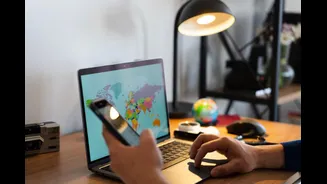
Josh Grisdale, founder of Accessible Japan, who uses a power wheelchair, advises travelers to research destinations thoroughly. He recommends utilizing platforms like Reddit, YouTube, and Google’s Street View to assess accessibility features.Grisdale stated, “Even though I’m in a wheelchair and I've had a disability my whole life, there are things that I don’t know about other disabilities.” He also created tabifolk, an online platform that crowdsources accessible travel information globally.
In Africa, proper planning is essential for individuals with disabilities to enjoy activities like safaris or climbing Mount Kilimanjaro, according to Joanne Ndirangu, founder of Scout Group Agency, an accessible tourism agency.
Ndirangu encourages collaboration with local travel experts who can provide insights into accessible options, saying, “Let’s say you want to see giraffes somewhere. I can now advise you, ‘That place is not viable if you’re on a wheelchair or on crutches because of the hills and the valleys.’”
Specialized Programming for Enhanced Experiences
Standard tours may not meet the needs of individuals with disabilities, as exhibits can be too high for wheelchair users or too loud for those with sensory sensitivities.The Smithsonian offers a sensory-friendly program called “Morning at the Museum,” designed for neurodivergent participants and their families to visit before public hours, allowing for a more controlled environment.
Grady noted, “It’s a completely judgment-free environment and one that’s really meant to hopefully be that full bridge to inclusion.”
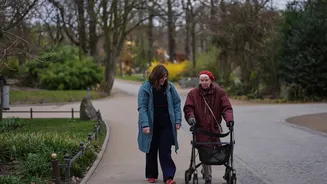
In Berlin, Malteser Deutschland has developed barrier-free tours for individuals with dementia at various cultural sites, focusing on manageable experiences to avoid overwhelming participants.
Encouraging Communication and Feedback
Ndirangu's team proactively asks visitors about their accommodation needs to provide appropriate solutions, stressing the importance of open communication.“Give us that opportunity to give you solutions,” she urged, highlighting that many hotels may have limited accessible rooms that could be booked in advance.
The European Network for Accessible Tourism advocates for travel companies to incorporate the costs of barrier-free services into their pricing structure, ensuring equitable access for all travelers.
Grady mentioned that the Smithsonian adapts its offerings based on participant feedback, ensuring inclusivity across all programs.
“They’re not asking for anything out of the ordinary,” she said. “They’re literally just trying to experience a visit just like anyone else.”