








What is the story about?
The 2026 BRICS Foreign Ministers’ Meeting is set to begin in New Delhi this week under the shadow of widening geopolitical tensions, internal divisions
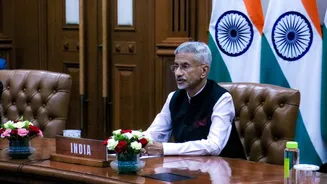
over the West Asia conflict and growing questions about whether the expanded bloc can still maintain strategic cohesion. To be hosted by External Affairs Minister Dr S Jaishankar at Bharat Mandapam on May 14 and 15, the two-day summit will bring together foreign ministers and senior representatives from BRICS member states and partner countries ahead of the larger BRICS leaders’ summit scheduled later this year.
Which Countries Are Attending The BRICS Foreign Ministers’ Meeting?
India, which currently holds the rotating BRICS chairmanship, will host ministers and senior delegations from almost all 11 BRICS member nations. Among the major confirmed attendees are:
- Russian Foreign Minister Sergey Lavrov,
- Iranian Foreign Minister Seyed Abbas Araghchi,
- and senior delegations from Brazil, South Africa, Egypt, Ethiopia, Indonesia and the UAE.
Iran is also sending Deputy Foreign Minister Kazem Gharibabadi as part of its delegation. In addition to full BRICS members, partner countries including Belarus, Malaysia and Kazakhstan are expected to participate in broader sessions linked to the summit framework.
The visiting delegations are also scheduled to call on Prime Minister Narendra Modi during the summit. However, one major absence stands out.
Chinese Foreign Minister Wang Yi will not attend the New Delhi meeting due to scheduling overlaps connected to US President Donald Trump’s state visit to China. Beijing will instead be represented by China’s Ambassador to India, Xu Feihong.
Saudi Arabia’s ministerial-level participation meanwhile remains formally unconfirmed, although diplomatic representation from Riyadh is still expected.
West Asia Conflict Jeopardizing a Common BRICS Position?
Even before formal discussions begin, diplomatic fault lines are already visible. At the centre of the friction lies the ongoing West Asia conflict and the increasingly difficult effort to draft a common BRICS position acceptable to both Iran and the United Arab Emirates — two countries now sitting within the same expanded grouping despite being on opposite sides of a rapidly escalating regional confrontation.
Diplomatic sources say the possibility of the meeting concluding without a joint statement remains very real.
Why The Iran-UAE Divide Matters
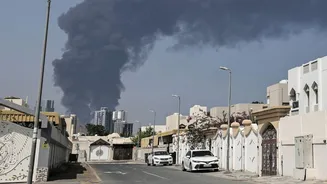
The biggest diplomatic challenge facing the summit is the growing disagreement between Iran and the UAE over language related to the recent West Asia conflict. The tensions stem from the US-Israel strikes on Iran and subsequent retaliatory attacks targeting regional energy infrastructure, including assets linked to the UAE.
Diplomatic sources say negotiators are struggling to craft wording acceptable to all sides without alienating either Tehran or Abu Dhabi.
“In the absence of a joint statement, we will have to come up with a chair statement,” one official said while describing ongoing negotiations. The disagreement is not entirely new.
Earlier efforts to produce consensus language during a BRICS senior officials’ meeting on the Middle East and North Africa in April reportedly collapsed over similar differences. That earlier breakdown is now widely viewed as a warning sign ahead of India’s broader BRICS leadership agenda in 2026.