

The combined wealth of the world’s billionaires surged to a record high in 2025, deepening global inequality and fuelling dangerous political consequences,
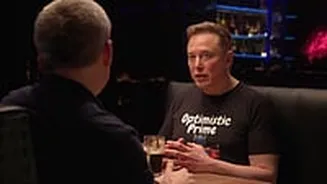
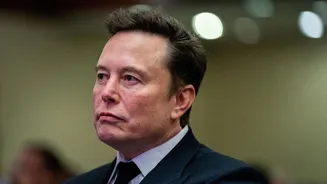
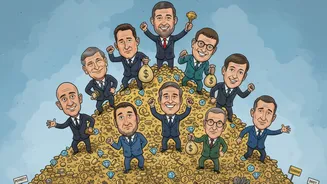
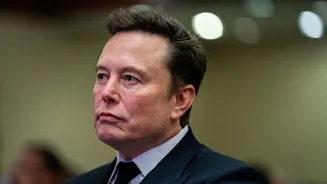
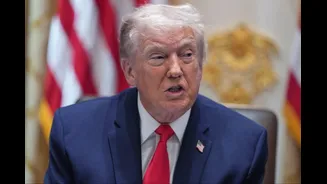
according to a new report by Oxfam released ahead of the World Economic Forum in Davos. The charity said billionaire wealth rose 16.2% in 2025 to $18.3 trillion, boosted in part by policies under US President Donald Trump’s second term, including deregulation and efforts to weaken global corporate tax agreements. Oxfam argued these moves disproportionately benefited the ultra-rich worldwide. For the first time, the global billionaire count has crossed 3,000, with the top 12 billionaires — led by Tesla and SpaceX chief Elon Musk — holding more wealth than the poorest half of the world’s population, or over four billion people. Oxfam warned that this concentration of wealth is increasingly translating into political power. It cited billionaires’ growing control over media and public discourse, pointing to examples such as Musk’s takeover of X and Amazon founder Jeff Bezos’s purchase of The Washington Post. “The widening gap between the rich and the rest is also creating a political deficit that is highly dangerous and unsustainable,” said Oxfam International Executive Director Amitabh Behar. Why the Full List Isn't Explicitly Named
- Oxfam's analysis draws from real-time billionaire wealth tracking (likely via sources like Forbes real-time rankings, Bloomberg Billionaires Index, or similar), which fluctuate daily.
- The report emphasizes systemic issues—such as how the super-rich use wealth to influence politics, media, and policy—over individual spotlights beyond Musk as the top example.
- Past Oxfam reports (e.g., 2017–2019) sometimes named small groups (like "8 men" or "26 richest"), but the 2026 version prioritizes the political dangers of billionaire power rather than a detailed roster.
While Oxfam doesn't provide the precise names tied to their calculation (as of January 2026 data), the top 12 richest individuals globally at this time—per major trackers like Forbes and Bloomberg—almost certainly align with or closely match the group Oxfam references.
Here's the approximate current top 12 (as of mid-January 2026, subject to daily market changes):
- Elon Musk (Tesla, SpaceX, xAI) — Wealth leader, often cited explicitly by Oxfam.
- Jeff Bezos (Amazon, Blue Origin)
- Mark Zuckerberg (Meta/Facebook)
- Bernard Arnault (LVMH)
- Larry Ellison (Oracle)
- Warren Buffett (Berkshire Hathaway)
- Bill Gates (Microsoft, investments)
- Larry Page (Alphabet/Google)
- Sergey Brin (Alphabet/Google)
- Steve Ballmer (Microsoft, investments)
- Jensen Huang (NVIDIA) — AI boom beneficiary
- Mukesh Ambani (Reliance Industries) or Gautam Adani (Adani Group) — Depending on exact valuations; Indian tycoons have surged.
Trump is expected to attend the Davos summit with one of the largest-ever US delegations, where his presence has already sparked protests. Around 300 demonstrators gathered in Davos, some wearing masks of Musk and US Vice President JD Vance, accusing global elites of making far-reaching decisions without democratic accountability.
Oxfam also criticised Washington’s decision to exempt US multinationals from a globally agreed 15% minimum corporate tax, calling it a clear example of governments failing to address rising inequality.
“In country after country, the super-rich have not only amassed more wealth than they could ever spend, but have also used that wealth to shape the rules of the economy and politics,” the report said, warning that such power threatens democratic freedoms and the rights of the majority.