









What is the story about?
The World Health Organization (WHO) declared the Ebola outbreak in the Democratic Republic of the Congo and Uganda a public health emergency of international
concern on Sunday, following the report of over 300 suspected cases and 88 fatalities. Despite this declaration, WHO clarified that the outbreak does not meet the criteria for a pandemic emergency like COVID-19 and advised against the closure of international borders.
Potential Spread of the Virus
WHO announced via X that a laboratory-confirmed case has emerged in Kinshasa, the capital of Congo, approximately 1,000 kilometers from the outbreak's epicenter in Ituri province. This development raises concerns about the possible wider spread of the virus.Authorities indicated that the confirmed patient had recently visited Ituri, and other suspected cases have been identified in North Kivu province, a densely populated area bordering Ituri.
First Confirmed Case in Goma
The rebel government of Goma reported the detection of the first confirmed Ebola case in the city on Sunday. The individual had traveled from Ituri province and is currently under isolation.Goma has recently experienced significant conflict, with ongoing violence between Congolese armed forces and the M23 rebel group, leading to the displacement of numerous residents.
Nature of the Ebola Virus
Ebola is known to be highly contagious and can be transmitted through bodily fluids such as blood, vomit, or semen. While the disease is rare, it is severe and often fatal.WHO's emergency declaration aims to mobilize donor agencies and countries to respond effectively. The declaration indicates the seriousness of the outbreak, the risk of international spread, and the necessity for a coordinated global response.
Expert Response to the Outbreak
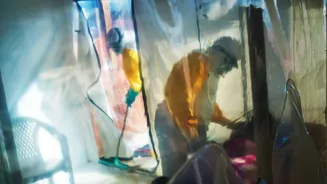
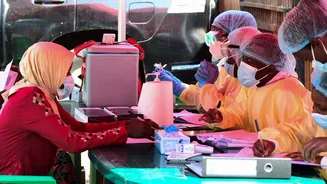
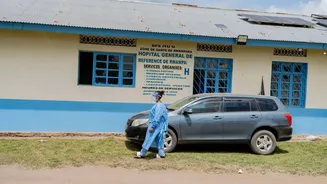
A team of 35 experts from WHO and the Congolese Ministry of Health has arrived in Bunia, the capital of Ituri province, along with 7 tons of emergency medical supplies and equipment, as stated by the WHO Regional Office for Africa.The global response to previous health emergencies has been inconsistent. For instance, when WHO declared mpox outbreaks in 2024 as a global emergency, the supply of diagnostic tests, medicines, and vaccines to affected regions was insufficient.
Challenges in Treating the Bundibugyo Virus
The current outbreak, first confirmed on Friday, is attributed to the Bundibugyo virus, a rare variant of Ebola with no approved treatments or vaccines available. This marks only the third detection of this variant amidst numerous Ebola outbreaks in Congo and Uganda.According to WHO, Congo accounts for nearly all reported cases, except for two cases in Uganda. The Bundibugyo virus was initially identified in Uganda during an outbreak from 2007 to 2008, which resulted in 149 infections and 37 deaths.
Impact of Conflict on Containment Efforts
Dr. Jean Kaseya, Director-General of the Africa Centres for Disease Control and Prevention, noted that the ongoing conflict and population movements complicate containment efforts, particularly in Mongwalu, where the first cases were reported.The disease first spread in Ituri province, close to Uganda and South Sudan, with 336 suspected cases and 87 deaths reported by the Africa CDC as of Saturday.
Low Risk to Americans
U.S. health officials have assessed the risk to Americans as low, although they did not confirm whether any Americans may have been exposed to the virus in Africa.Dr. Satish Pillai, manager of the CDC’s response to the outbreak, stated that the agency is collaborating with health officials to manage the outbreak and prevent further spread of Ebola.
Delayed Detection Compounds the Crisis
Dr. Kaseya emphasized that slow detection of the outbreak has allowed the virus to spread more widely. The outbreak reportedly began in April, but the index case remains unidentified.The first known suspected case involved a 59-year-old man who developed symptoms on April 24 and died shortly thereafter. By the time health authorities were alerted on May 5, 50 deaths had already occurred.