





What is the story about?
World shares experienced a notable decline on Monday, while oil prices increased after U.S. President Donald Trump issued a stern warning to Iran, indicating
that the 'clock is ticking' as negotiations for a permanent resolution to the conflict stall. U.S. futures dropped, and stock markets in Japan and South Korea pulled back from recent highs. In early trading in Europe, the FTSE 100 index in Britain rose by 0.1%, while France's CAC 40 fell by 0.9%, and Germany's DAX decreased by 0.1%.
Market Reactions in Asia
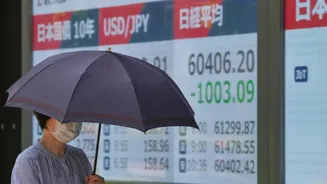
During Asian trading hours, Japan's Nikkei 225 index fell by 1% to 60,815.95, driven primarily by losses in technology stocks after reaching all-time intraday highs above 63,000 the previous week.In South Korea, the Kospi index rose by 0.3% to 7,516.04 after initially trading lower, buoyed by technology shares linked to the artificial intelligence sector, despite some profit-taking by investors.
Hong Kong's Hang Seng index dropped by 1.1% to 25,675.18, while the Shanghai Composite index fell by 0.1% to 4,131.53, responding to disappointing economic data released from China.
Australia's S&P/ASX 200 index declined by 1.5% to 8,505.30, with Taiwan's Taiex dropping by 0.7%, and India's Sensex experiencing a minor decrease of less than 0.1%.
Oil Prices Surge Amid Geopolitical Tensions
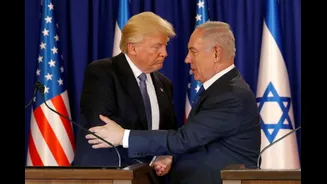
Oil prices rose sharply following Trump's warning to Iran on social media, where he stated, 'the clock is ticking, and they better get moving, FAST, or there won't be anything left of them,' following a discussion with Israeli Prime Minister Benjamin Netanyahu.Despite previous deadlines set by Trump regarding Iran, investor sentiment remains cautious due to the ongoing situation in the Strait of Hormuz, which has seen significant disruptions to global energy flows, including oil and gas shipments. The U.S. has maintained a blockade on Iranian ports since last month.
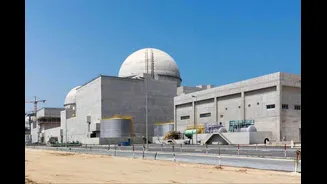
A drone strike targeting a nuclear power plant in the United Arab Emirates over the weekend has further heightened concerns about escalating tensions in the region.
Brent crude, the international oil benchmark, increased by 0.7% to $110.05 per barrel, up from approximately $70 per barrel prior to the onset of the Iran conflict. Meanwhile, U.S. benchmark crude rose by 1% to $106.49 per barrel.
Economic Indicators and Investor Sentiment
ING commodities strategists, Warren Patterson and Ewa Manthey, noted in a research report that the risks of re-escalation in the region are growing. They pointed out that while shipping activities around the Strait of Hormuz have increased recently, this situation could change rapidly.The strategists highlighted that the oil market is responding to the lack of substantial outcomes from the recent summit between Trump and Chinese President Xi Jinping, despite statements from the White House indicating a mutual agreement on keeping the Strait of Hormuz open.
U.S. officials had expressed hope that China could leverage its economic ties with Iran to facilitate peace talks and reopen the strait. Trump mentioned that Xi expressed a willingness to assist in negotiating an end to the conflict, although the specifics of this potential involvement remain unclear.
The yield on the U.S. 10-year Treasury bond rose to around 4.60%, an increase from 4.47% recorded the previous Thursday and significantly higher than the nearly 4% level prior to the Iran conflict.
On Friday, the S&P 500 index fell by 1.2% from its previous record, while the Dow Jones Industrial Average decreased by 1.1%, and the Nasdaq composite lost 1.5%.
In early Monday trading, the U.S. dollar appreciated to 158.82 Japanese yen from 158.62 yen, and the euro was valued at $1.1645, up from $1.1622.