





What is the story about?
As prices for gardening supplies continue to rise, many gardeners are seeking cost-effective solutions to maintain their gardens. Before making a purchase
at the garden center, consider exploring your home, garage, shed, and recycling bin for items that can be repurposed into gardening tools.
Repurposing Household Items
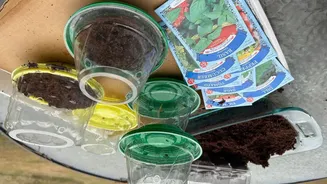
Plastic yogurt containers, when punctured at the bottom, serve as excellent seed-starting pots. Additionally, clamshell containers used for lettuce and berries can be utilized for the same purpose.For gardeners cultivating peonies, which often require support after blooming, large lampshade frames can be an effective alternative to expensive peony supports. Simply remove the fabric from the frame, position it upside down over the plant, and secure it in place with landscape pins or by burying its base.
Old patio umbrella frames can also function as trellises. By adjusting the height as needed and stabilizing them in the ground, these frames provide a cost-effective support system for climbing plants.
Utilizing Fish Scraps for Fertilization
Fish emulsion, a potent organic fertilizer, can be created by soaking fish remains in a sealed bucket of water for a month, after which the liquid can be used to nourish plants.Alternatively, burying whole fish or fish scraps at a depth of 10 to 12 inches in planting beds can supply essential nutrients like nitrogen and phosphorus. Anglers may find this particularly beneficial, while local fishmongers may provide scraps at little or no cost.
Moreover, used fish tank water, rich in nitrogen, serves as an additional nutrient source for plants.
Repurposing Cooking Water and Other Kitchen Waste
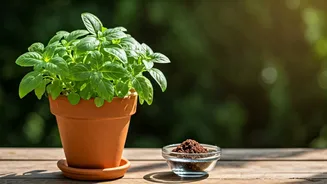
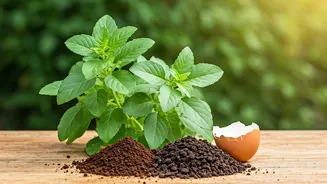
After boiling vegetables, allow the water to cool and use it to water plants, provided no salt was added. This water contains valuable vitamins and minerals.Water from boiled eggs is high in calcium, which is especially beneficial for tomato and pepper plants. Furthermore, eggshells can be ground into a powder and used as a substitute for garden lime.
Grass clippings from mowing can serve as a natural lawn fertilizer when left on the lawn, as they decompose and release nitrogen back into the soil.
Conclusion
By creatively recycling common household items and utilizing organic materials, gardeners can effectively reduce costs while enhancing the health and productivity of their gardens.Jessica Damiano, who writes weekly gardening columns for the AP, emphasizes the importance of resourcefulness in gardening practices.