




What is the story about?
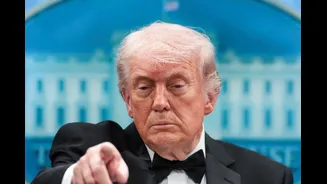
United States President Donald Trump brushed off a reporter’s question on possible Iran strikes with a curt, “Why would I tell you that?” Trump said that he was
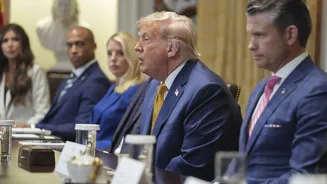
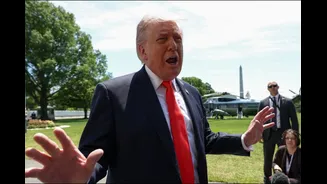
“not satisfied” with Iran’s latest proposal; however, he did not elaborate on the proposal’s apparent shortcomings. “They want to make a deal, I’m not satisfied with it, so we’ll see what happens,” Trump told reporters Friday at the White House. Asked about what he sees as the proposal’s shortcomings, Trump said, “They’re asking for things I can’t agree to.” While Trump was speaking to reporters in Washington, a reporter asked him, “Are you considering new strikes on Iran?” On this, Trump said, “Why would I tell you that?” essentially ending the conversation.
Even as negotiations continue between the US and Iran through “phone”, according to Trump, he has claimed that the war has been “terminated” because of the ceasefire. The White House told the Congress in a letter on Friday that hostilities with Iran have “terminated”.
Trump also called the War Powers Resolution, which states Congress must declare war or authorise the use of force within 60 days, “unconstitutional.”
Read More - Trump Rejects Iran's Hormuz Offer, US Plans 'Short, Powerful' Strikes, Says Report
Trump's 2 Options For Iran
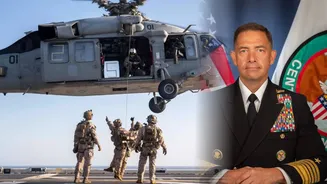
Discussing a Thursday briefing with Adm. Brad Cooper, head of US Central Command, Trump said the US has just two options in Iran. “I mean, do we want to go and just blast the hell out of them and finish them forever? Or do we want to try and make a deal? I mean, those are the options,” Trump said.
Asked if he wanted to pursue the former, Trump said: “I’d prefer not. On a human basis, I’d prefer not, but that’s the option.”
Trump said he believes Iran’s leadership has made some progress toward unifying around a resolution. “They’ve made strides, but I’m not sure if they ever get there,” he said. “There’s tremendous discord, they’re having a tremendous problem getting along with each other in Iran.”
The shaky ceasefire between the US and Iran has lasted for three weeks. However, the US armed forces are currently deployed in the region.
(With AP Inputs)