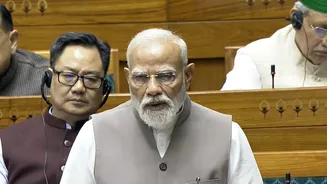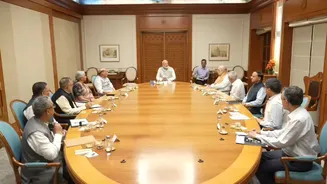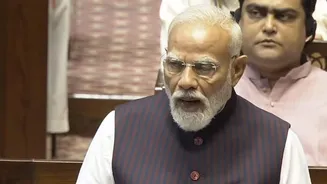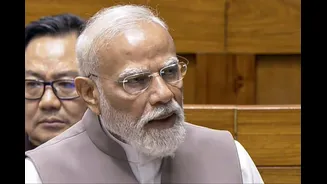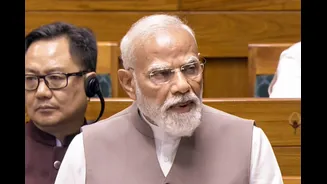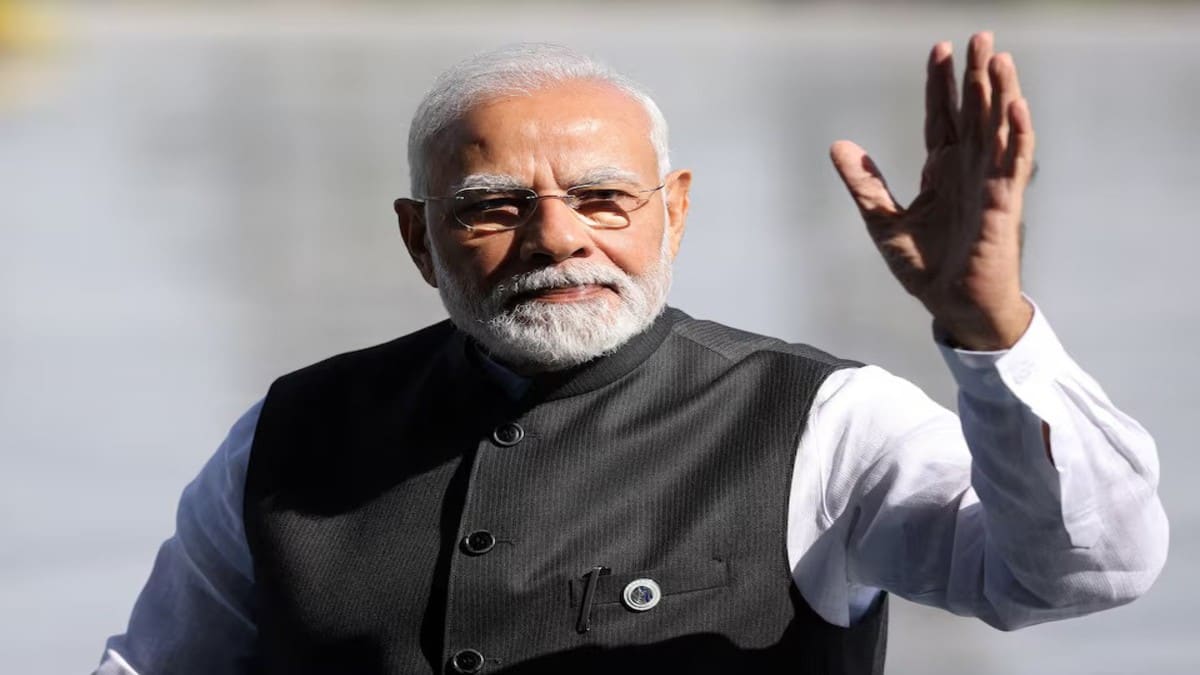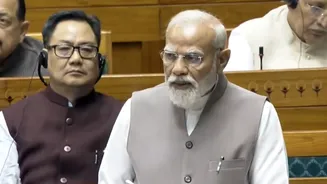



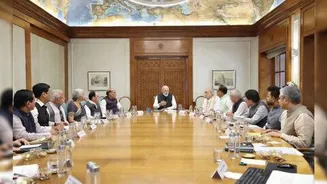
Prime Minister Narendra Modi on Monday, March 23, addressed the Lok Sabha on the ongoing West Asia crisis. PM Modi explained that India has greater concerns
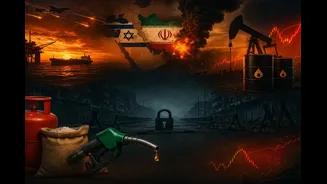
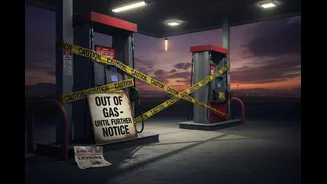
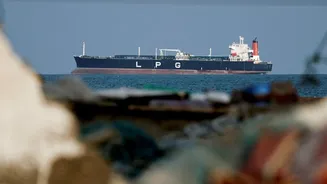
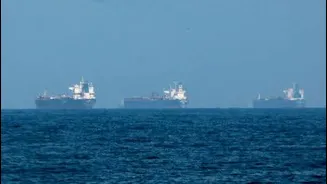
as compared to any other nation, asserting that it is essential that a unified voice and consensus reach the world regarding this crisis from the Parliament of India. The crisis began on February 28 as the United States and Israel launched joint strikes on Iran, killing the country's Supreme Leader Ayatollah Ali Khamenei. Iran retaliated with attacks on Israel and US bases in the region. "India has extensive trade relations with countries at war and affected by the conflict. The region where the conflict is taking place is also an important route for our trade with other countries around the world, particularly for a large portion of our crude oil and gas needs. This region is also important for us for another reason. Nearly 1 crore Indians live and work in the Gulf countries. Commercial ships operate there. The number of Indian Crew members is also very high. Due to these various reasons, India's concerns are naturally greater. Therefore, it is essential that a unified voice and consensus reach the world regarding this crisis from the Parliament," PM Modi said in the Parliament. Check Iran War Live Updates Here "The situation in West Asia is worrisome. In the last 2-3 weeks, EAM Dr S Jaishankar and Union Minister Hardeep Puri have provided the details of the situation to the House. This conflict has been going on for more than 3 weeks. It has a severe impact on the global economy and the lives of the people, and that is why the world is urging all sides for an early resolution to this conflict..." he said. "Since this war began, every Indian in the affected countries has been provided assistance. I have spoken over the phone with the heads of state of most West Asian countries for two rounds. All have assured the safety of Indians. During the conflict, some people have lost their lives, and some have been injured..." he said. Addressing the Strait of Hormuz blockade, PM Modi said, "A large quantity of crude oil, gas, fertilisers and many essential items comes to India through the Strait of Hormuz route. Since the war began, the movement of ships through the Strait of Hormuz has become very challenging. Despite this, our government has made efforts to ensure that the supply of petrol, diesel, and gas is not severely impacted." On LPG imports, he said, "As we all know, the country imports 60% of its LPG requirement. Due to uncertainty in supply, the government has prioritised domestic LPG consumers. At the same time, domestic production of LPG is also being increased. Continuous efforts have also been made to ensure that the supply of petrol and diesel across the country remains smooth..." "The difficult conditions created in the world by this war are likely to have lasting effects for a long time, so we must be prepared and remain united. We have faced such challenges with unity during the COVID period, and now we need to be prepared again..." "India's role in diplomacy is clear. From the beginning, we have expressed our deep concern about this conflict. I have personally spoken to all the relevant leaders in West Asia. I have urged everyone to de-escalate tensions and end this conflict. India has condemned attacks on civilians, energy, and transport infrastructure. Attacks on commercial vessels and the blockage of international waterways like the Strait of Hormuz are unacceptable. India is continuously making efforts through diplomacy to ensure the safe passage of Indian ships, even in this war-like environment." "India has always advocated for the welfare of humanity and peace. I reiterate that dialogue and diplomacy are the only solutions to this problem. All our efforts are aimed at reducing tensions and ending this conflict. Endangering the lives of anyone in this war is not in the interest of humanity. Therefore, India's efforts are to encourage all parties to reach a peaceful resolution as soon as possible. When such crises arise, some elements try to exploit them. Therefore, all law and order agencies have been put on alert. Security is being further strengthened, be it coastal security, border security, cyber security, or strategic installations..."