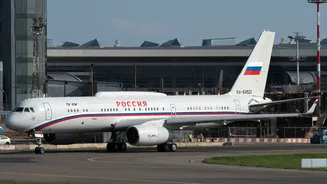







The Tu-214PU is widely regarded as one of Russia's most secure executive aircraft because of its hardened communications architecture and protected command
systems. According to publicly available information on the platform, the aircraft carries encrypted communications equipment, secure satellite links and dedicated command-and-control capabilities that allow senior officials to coordinate military and government operations even during high-threat situations. That has earned it the unofficial description of a Russian "doomsday aircraft", although it differs from larger strategic airborne command posts designed specifically for nuclear command missions. Rather than serving as a routine VIP transport, the Tu-214PU is intended to preserve continuity of command if ground-based communications become disrupted.
🇷🇺🇮🇷⚡️ Several aircraft from Russia’s Special Flight Squadron just left Moscow. One appears to be preparing to land in Tehran, while the Russian “Doomsday” plane has also taken off and is heading toward Iran.
This raises questions about whether they’re delivering supplies,… pic.twitter.com/W13HLIPMJn— War Flash (@WarFlash_2630) July 13, 2026
Its deployment to Tehran is therefore unlikely to be viewed as an ordinary diplomatic flight.
Executive-Level Signal Amid Regional Crisis
The timing has prompted analysts to view the mission as a possible indication of high-level consultations between Moscow and Tehran. Neither Russia nor Iran has publicly disclosed the purpose of the aircraft's arrival. However, its use naturally raises questions about whether discussions involve military coordination, intelligence exchanges, defence cooperation or contingency planning as Iran faces sustained military pressure.
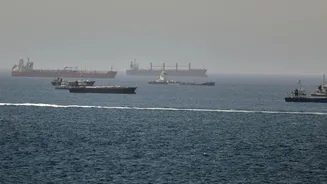
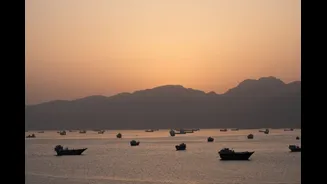
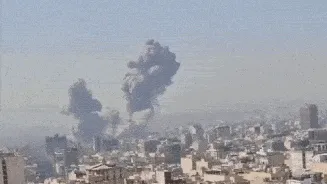
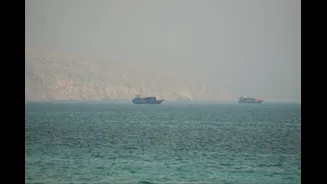
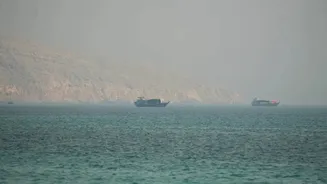
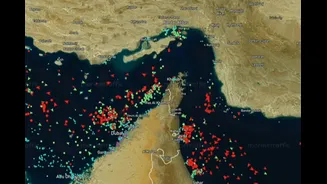
The visit coincides with an increasingly unstable regional security environment. The United States has launched another series of strikes targeting Iranian air-defence systems, missile infrastructure, drone capabilities and coastal military assets, saying the operations are intended to protect commercial shipping following attacks on vessels transiting the Strait of Hormuz.
Iran, meanwhile, maintains that the strategically important waterway falls within its territorial authority and has rejected Washington's characterisation of recent events. The broader confrontation has already spread beyond Iranian territory, with missile alerts sounding across Bahrain and Kuwait while Jordan has reported intercepting projectiles during the latest escalation.
What Is The Tu-214PU?
The Tu-214PU is derived from the Tu-214, itself an evolution of the Soviet-designed Tu-204 medium-range passenger aircraft. Originally developed as a civilian airliner, the platform has gradually been adapted into several specialised military and government variants, including surveillance aircraft, communications platforms, cargo transports and executive transports.
The command-post version incorporates extensive modifications that distinguish it from standard passenger aircraft, particularly in secure communications, electronic systems and protected operational capabilities. The aircraft is operated by the Rossiya Special Flight Squadron, the state aviation unit responsible for transporting Russia's highest-ranking political and military officials.
Limited Fleet, Strategic Asset
Russia has repeatedly announced plans to expand domestic production of the Tu-214 family as part of efforts to reduce dependence on foreign aerospace manufacturers. Those ambitions, however, have progressed more slowly than initially projected.
Although Moscow has outlined plans to manufacture up to 20 Tu-214 aircraft annually by 2028, production has remained limited, making specialised variants such as the Tu-214PU comparatively rare assets within Russia's government aviation fleet. Against that backdrop, the decision to deploy the aircraft to Tehran carries significance beyond routine diplomatic travel.
Whether the visit produces any publicly announced agreements remains uncertain. Even so, the arrival of one of the Kremlin's principal airborne command aircraft underscores the growing strategic coordination between Moscow and Tehran as the regional security situation continues to deteriorate.