




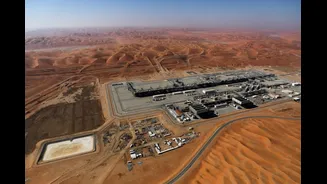
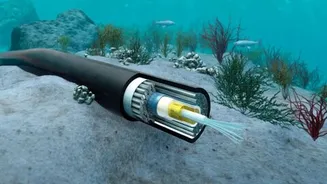
Iran has threatened to target oil installations, undersea cables, datacentres and artificial intelligence facilities across the Gulf if the United States
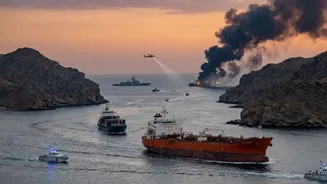
and Israel launch fresh attacks, warning that its response would extend beyond conventional military targets. Mohsen Rezaei, the secretary of Iran’s Supreme National Security Council, said Tehran would pursue a broader plan if hostilities resumed, according to a report by The Guardian. Mehdi Mohammadi, an adviser to Iranian parliamentary speaker Mohammad Ghalibaf, also warned that Tehran would impose “zero red lines” in a future conflict, which he described as an existential threat to Iran. “We see the next conflict as an existential threat. The third war in two years means a threat to existence. Our strategy is ‘zero red lines’,” Mohammadi said. He added that any renewed conflict would last longer and spread across a wider geographical area than Iran’s adversaries anticipated. Iran Warns Of Wider Regional Targets Iranian media quoted Rezaei as saying that cables, datacentres and AI facilities could be targeted in a new war. “There can be no arrangement in which Iran’s economic lifelines come under attack while the economic architecture enabling those attacks is considered untouched and immune,” he said. The threats come amid reports that US and Israeli military officials have drawn up plans for renewed strikes against Iran. According to The Guardian, potential targets could include missile sites, oil installations and nuclear facilities, although no final decision to launch a new campaign was confirmed in the report. The growing tensions have raised concerns about the potential impact on Gulf infrastructure, energy supplies and global trade. Strait Of Hormuz Tensions Intensify The naval forces of Iran’s Islamic Revolutionary Guard Corps (IRGC) claimed to have struck four commercial ships attempting to navigate the Strait of Hormuz on Wednesday. The vessels were reportedly involved in transferring oil between ships. The IRGC also claimed that three additional vessels had been struck after hitting mines in the strait. The claims had not been independently verified, according to The Guardian. Brent crude was trading at $113.40 a barrel, the report said, amid concerns over a possible renewed US-Israeli assault and disruption to oil shipments. Iran has repeatedly threatened to expand the consequences of any new war beyond its borders. Reza Nasri, an international lawyer close to Iran’s foreign ministry, warned that a prolonged conflict could threaten power grids, desalination plants, refineries and ports across the region, potentially disrupting water and electricity supplies. Diplomatic Efforts Continue Amid Military Preparations Diplomatic efforts to prevent another escalation have continued, with Iranian and Pakistani mediators exploring possible ceasefire arrangements. Proposals under discussion reportedly include the release of billions of dollars in frozen Iranian assets in exchange for steps such as lifting the blockade of the Strait of Hormuz, allowing UN weapons inspectors access to bombed nuclear sites and transferring Iran’s highly enriched uranium stockpile to a third country. Iran has offered to end its blockade of the strait within seven days and begin nuclear negotiations, but has demanded that preconditions, including the lifting of US sanctions, be met first. Meanwhile, foreign ministers from several European and regional countries were expected to meet in Istanbul to discuss the linked crises involving Iran, Yemen and Palestine. The situation remains uncertain, with renewed military preparations and increasingly expansive threats adding pressure to already fragile diplomatic efforts.