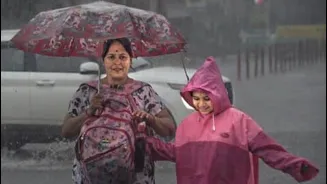
After erratic spells of untimely showers, it definitely feels like summer's wrath has descended upon the country. Temperatures are now hovering over the 40C
margin, predicted to sprint towards the 45C threshold over the week. While stepping out feels brutal, staying in too doesn't make much sense, sans continuous air conditioning. So as India preps for this year's heatwave, these 5 ancient cooling techniques definitely deserve attention.
Terracotta Roofing
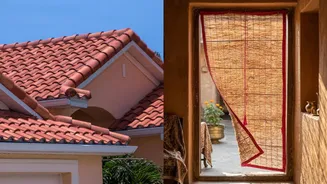
As per a Scientific American journal report, terracotta has been part of Indian daily life for over 3,000 years, its roots going right back to the Indus Valley Civilisation and Bronze Age. Most commonly used to store water - but also used as a general cooling device - the material carries miniscule pores which allow the water to seep out gradually. The evaporation of this moisture draws heat away from the surface, giving off a cooling effect. Modern architecture has now taken this science and expanded it across construction, particularly in roofing structures. It's as simple as laying terracotta pots upside down on the roof and pouring concrete over them.
Khus Screens
Khus screens are woven using khus - or vetiver grass, and hung over windows and doors when the mercury skyrockets. Sprinkling them with water ensures that the hot air passing through the screen turns cool. A make-shift air conditioner if you will! While it can't literally replace what an AC does, a room with khus screens is significantly cooler than one without, not to mention, subtly fragrant. One thing to note about khus screens, is that they work best with dry heat, making it a perfect fit for the North India heatwave.
Chuna Coating
Mixing limestone and water creates limewash - colloquially called chuna. The special thing about chuna is that instead of absorbing the sunlight hitting it, it reflects it away. For a really long time, the exteriors of homes were given a chuna coating to reduce the amount of trapped heat in the home. Additionally, chuna coating actually makes the walls more breathable owing to its alkaline nature - unlike synthetic paints which seal them - which also allows for the temperature to be naturally regulated. Opting for chuna coating can definitely have an impact on your heatwave woes.
Bamboo Blinds
These are potentially the simplest cooling technique of them all, and can be implemented in your home today itself. Hanging up bamboo blinds on your windows and verandah openings, blocks direct sunlight while allowing airflow. A light sprinkle of water on them creates the same mechanism as khus screens. The thing will heavy curtains here is that while they may keep the direct sun out, they also trap heat. Now while airier curtains don't do the same, they let the hot heatwave air pass right through. Bamboo blinds then are the perfect addition to your home to fight the heatwave - and the fact that they are biodegradable is the cherry on top!
Aangan Design
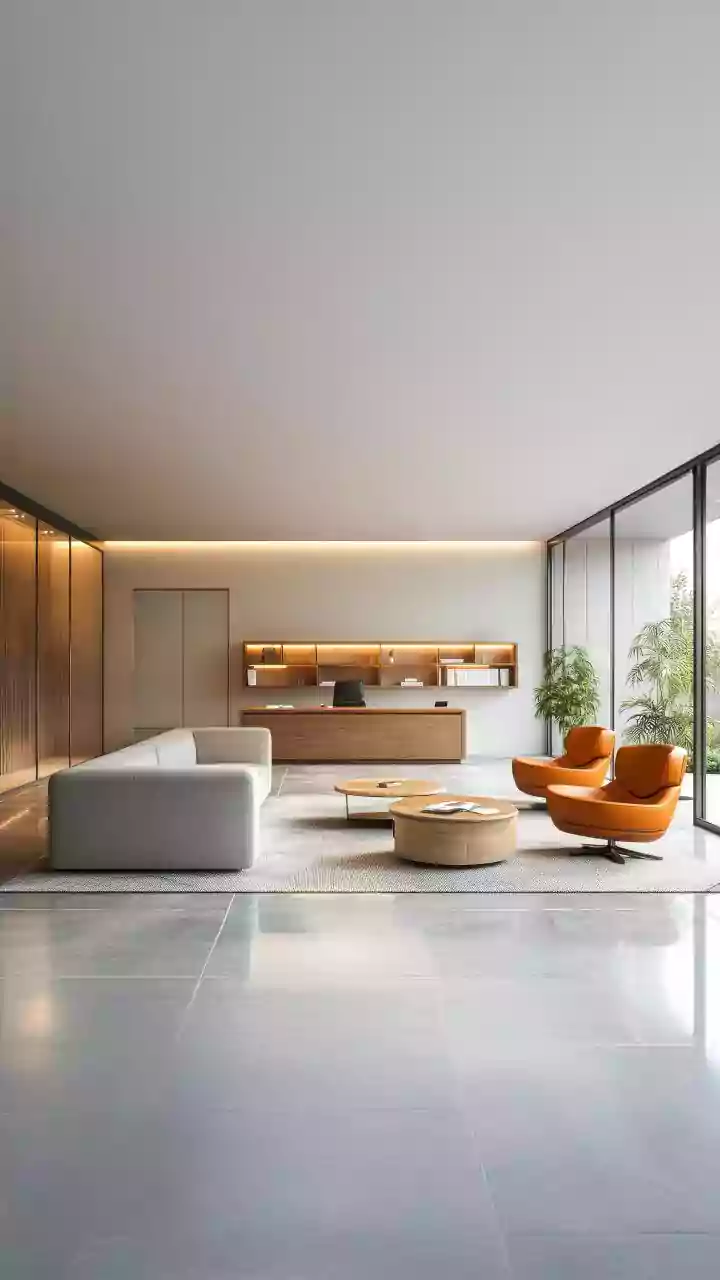
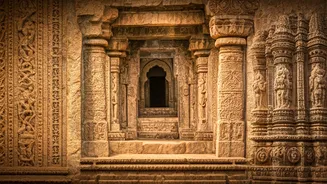
While this is more of a long-term plan, the courtyard architecture seen in many older Indian homes had a science to it, one that serves the purpose of fighting the heatwave very well. A typical courtyard used to be positioned at the centre of the house, the actual structure then being built around it. This open space in the centre allows the hot air to rise and escape - the shaded areas around it remain cool. This natural ventilation cycle when combined with plants and water elements in the courtyard would create an unbroken chain of amplified cooling.