






What is the story about?
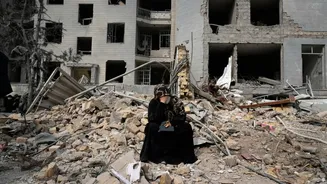
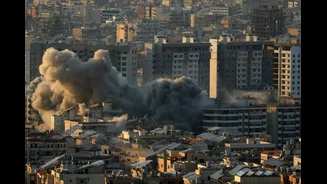
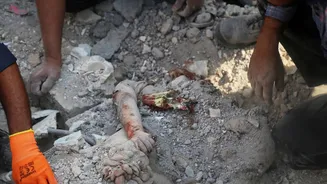
Outdated intelligence reportedly contributed to a U.S. missile strike on an elementary school in Iran, resulting in the deaths of over 165 individuals,
many of whom were children. This incident occurred during the initial hours of the ongoing conflict, according to sources familiar with a preliminary military investigation. The strike on the school has drawn significant attention, as it could represent one of the highest civilian casualty incidents attributed to U.S. military actions in the past two decades. If confirmed, this event may have profound implications for U.S. military operations and public perception.
Initial Reactions and Investigations
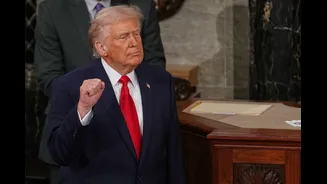
President Donald Trump initially accused Iran of responsibility for the attack but later expressed uncertainty and stated he would defer to the Pentagon's findings. The urgency of the investigation escalated following a report from the New York Times indicating U.S. culpability.U.S. Central Command reportedly relied on outdated target coordinates from the Defense Intelligence Agency when executing the strike. A request for comment from the agency went unanswered.
In response to the preliminary findings, the Pentagon faced immediate calls for transparency. White House Press Secretary Karoline Leavitt confirmed that the investigation remains active.
Political Responses and Concerns
Dozens of Democratic senators have called for answers from the Trump administration, as evidence mounts suggesting U.S. responsibility for the strike. A letter from over 45 senators urged Defense Secretary Pete Hegseth to clarify the U.S. role and the prior assessments conducted regarding the school.The senators also expressed concern over recent budgetary cuts at the Pentagon, which they argue have hindered efforts to prevent civilian casualties. They highlighted reductions in staffing at U.S. Central Command and the newly established Civilian Protection Center of Excellence.
Senator Tim Kaine remarked, “If we’ve changed our traditional targeting rules and we no longer provide the same level of protection for civilians, that would be tragic.”
Evidence of Avoidable Strike
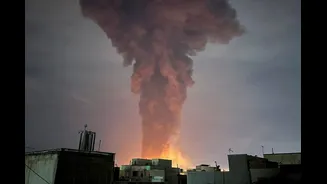
Evidence suggests that the missile strike on the school was avoidable. Occurring on a Saturday morning, the start of the Iranian school week, the building was filled with children. Satellite imagery indicated that the school had distinguishing features visible from the air that could have identified it as a civilian site.New footage surfaced showing what experts identified as a U.S.-made Tomahawk cruise missile striking a military compound near the school, corroborating earlier reports linking the attack to U.S. forces.
Online maps clearly labeled the school, which also had a dedicated website providing information about its staff and students, making it easily identifiable.
Legality and Ethical Implications
International law prohibits attacks on civilian structures and non-combatants, emphasizing the protection of schools, hospitals, and cultural sites. The presence of a school near a legitimate military target does not alter its status as a civilian site, according to legal experts.Senator Kaine noted during a briefing, “If the U.S. is found responsible, it raises significant questions about our targeting protocols.”
Concerns regarding the military's operational guidelines have also been voiced by some Republican senators, with calls for accountability and preventive measures to avoid similar incidents in the future.
Civilian Protection Measures Under Scrutiny
The Pentagon was directed to establish the Civilian Protection Center of Excellence in late 2022 to enhance efforts in preventing civilian harm. Despite initial progress, recent reports indicate that staffing and resources have been significantly reduced under the current administration.Wes Bryant, a former staff member, noted that the office had previously been engaged in updating vital no-strike lists but ceased such efforts following budget cuts. He emphasized that the lack of resources hampers the mission of civilian protection.
Central Command spokesperson Captain Tim Hawkins denied claims of inadequate staffing but did not provide additional details, citing the ongoing investigation.