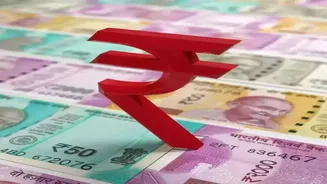







The Indian rupee has hit a 2-month low and breached 96/$ as rising crude oil prices add to the pressure on India's import bill. The Indian rupee opened
at 96.05 to the dollar versus Monday's close of 95.98 to the dollar. How does a weaker rupee impact you? From transport to essentials and everyday expenses- a sustained weakness in the currency could put additional pressure on household budgets. Mitali Nikore, Economist and Founder, Nikore Associates told Times Now Digital, "the rupee at 96/$ is a warning because India is being squeezed from both sides—higher oil prices and a weaker currency. With nearly 90% of crude imported, every dollar added to oil prices raises the rupee cost of energy, transport and imported goods. For consumers, that means pressure on fuel, food, travel and everyday household expenses, while higher input costs can squeeze incomes and savings. If the war-driven shock persists, this stops being a currency story and becomes an inflation, consumption and growth story." In fact, economists believe the concern moves beyond currency weakness and rising oil rate worries to inflation, a potential terms-of-trade shock, current account deficit concerns and corporate margin worries as well as household purchasing power. Mitali Nikore said, "the concern with a 96/$ rupee is not the exchange-rate level in isolation, but the interaction between currency depreciation and a prolonged oil shock. India’s high oil-import dependence means that a sustained 10 dollars per barrel increase in crude prices can add roughly 0.4% of GDP to the current-account deficit; a weaker rupee then magnifies that shock in domestic-currency terms. What makes the current episode different is persistence-if the conflict keeps energy prices elevated, the adjustment moves beyond the external account into inflation, household purchasing power and corporate margins. India enters this shock with growth still resilient, but the risk is that an external energy shock gradually becomes a terms-of-trade shock that weighs on domestic demand and investment."