






What is the story about?
New Delhi: Crude oil prices stayed firm in early Asian trading on Wednesday, even after Donald Trump extended the ceasefire with Iran to allow more time
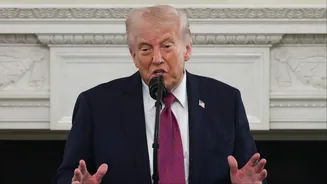
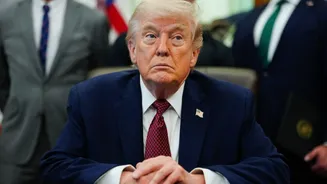
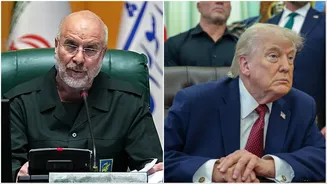
for talks on ending the West Asia conflict, which is now close to two months old. In a post on Truth Social, Trump said the US would not launch fresh attacks on Iran for now. However, he added that ships linked to Iran would continue to be blocked until discussions are completed - a move Iranian leaders have called an act of war.
Prices Hold Firm Despite Ceasefire
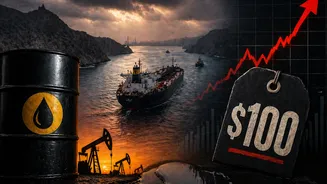
On April 22, oil prices showed little change despite the ceasefire extension. Brent crude was trading around $98 per barrel after rising nearly 10% over the past two sessions. US crude (WTI) was close to $90 per barrel.
A day earlier, Brent briefly touched the $100 mark after US Vice President JD Vance cancelled his planned visit to Pakistan to take part in another round of Iran talks.
Supply Concerns Keep Markets on Edge
The main reason prices remain high is uncertainty over supply, especially through the Strait of Hormuz - a vital route that carries about 20% of the world’s oil and LNG.
Shipping activity through the strait remained extremely low on Tuesday. According to Reuters, only three vessels passed through in the last 24 hours.
At the same time, tensions in the region continue. Israel said Hezbollah fired rockets at its troops in southern Lebanon, accusing the Iran-backed group of breaking the ceasefire ahead of US-led talks. Hezbollah has not responded so far.
Because of this, markets are reacting more to uncertainty and risk rather than any real improvement in supply. Even if tensions ease, experts say it could take months for oil flows to fully return to normal.
What Experts Are Saying
Analysts believe oil prices may stay high for some time.
Macquarie said prices could remain supported between $85 and $90, and may gradually rise towards $110 as supply improves. It also warned that if disruptions continue through April, Brent could spike to as high as $150 per barrel.
Similarly, Nuvama Institutional Equities said a prolonged disruption in the Strait of Hormuz, which handles about 20 million barrels per day, could push prices into the $110–$150 range.
Many experts now think the market is entering a phase of structurally higher oil prices. Since the ceasefire is seen as temporary, a return to earlier levels of $70–$75 may take time.
In the short term, prices are expected to move between $80–$85 on the lower side and $95–$100 on the higher side.