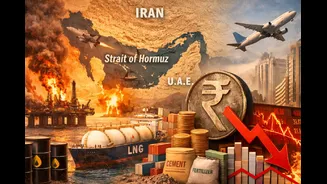









India’s oil supply chain is facing renewed uncertainty as the Gulf War continues to disrupt energy flows across the Middle East, raising concerns about
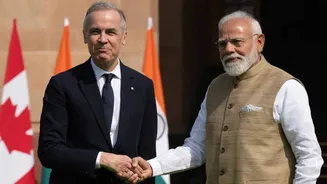
shipments moving through the Strait of Hormuz. Amid the growing anxiety over supply disruptions, Canada has stepped forward with an offer to supply oil and liquefied natural gas to India, signalling its intent to become a long-term energy partner for the world’s fastest-growing major economy. Canadian Prime Minister Mark Carney said India’s energy demand is expected to expand sharply over the coming decades, creating opportunities for cooperation between the two countries in oil, gas and critical minerals. Speaking about India’s future energy needs, Carney noted that demand for energy in the country could double by 2040 as economic growth continues and industrial activity expands.
India’s energy demand is increasing faster than anywhere else in the world. As an energy superpower, Canada is well-positioned to seize this opportunity. pic.twitter.com/EWrPkZtLmD
— Mark Carney (@MarkJCarney) March 10, 2026
He added that India is simultaneously pushing an ambitious clean-energy transition that includes plans to install around 500 gigawatts of renewable capacity by the end of the decade and increase the share of liquefied natural gas in its energy mix. Carney said Canada is well positioned to contribute to that transition by supplying LNG from its west coast as well as other energy resources and minerals required for clean technology and nuclear power.
Gulf War Raises Concerns Over Strait Of Hormuz
The Canadian offer comes at a time when global oil markets are closely watching developments around the Strait of Hormuz, a narrow maritime corridor through which a significant share of the world’s crude oil exports pass.
Tensions linked to the Gulf War have heightened fears that any prolonged disruption in the region could affect oil shipments and push importing countries to look for alternative suppliers. India, which imports the majority of its crude oil, is particularly sensitive to such disruptions because a large share of its supplies travels through the Strait of Hormuz.
New Delhi has already been exploring multiple energy corridors and supplier partnerships to reduce its dependence on a single maritime chokepoint. Officials say this strategy aims to ensure stable energy availability for consumers while allowing the country to navigate geopolitical uncertainties affecting global oil flows.
Canada Sees Opportunity In India’s Energy Growth
Canada’s outreach to India also reflects its ambition to expand energy exports to large and fast-growing markets in Asia. During recent discussions between Canadian and Indian officials, energy cooperation reportedly featured prominently, including talks on oil, natural gas and nuclear fuel supplies.
One of the agreements discussed involved a uranium supply deal worth roughly $2.5 billion aimed at supporting India’s expanding nuclear power programme. Canadian officials have also highlighted the country’s strong resource base, pointing out that a significant share of the world’s mining companies are listed in Canada and are involved in developing critical minerals.
For India, the emerging options now include not only Middle Eastern suppliers but also potential cargoes from countries such as Russia, Canada and even parts of Europe. The evolving energy landscape suggests that the days of relying heavily on a single maritime chokepoint may be gradually giving way to a more diversified and resilient supply strategy.