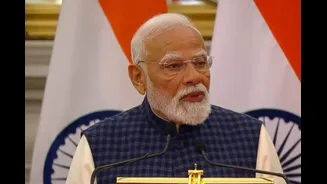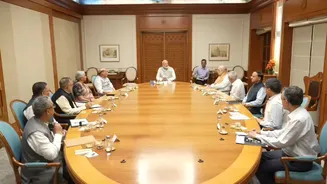




New Delhi: Prime Minister Narendra Modi will chair a meeting Sunday evening with senior ministers to take stock of petroleum, power, and fertiliser sectors
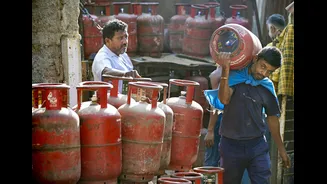
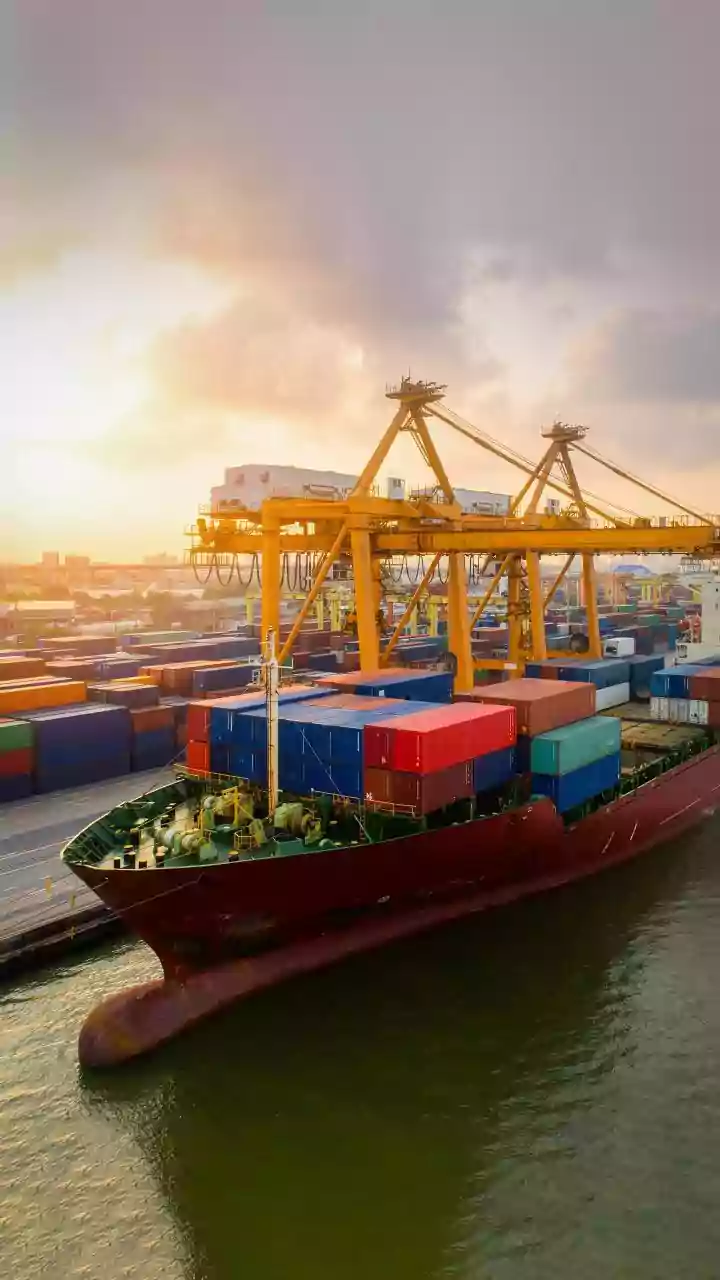
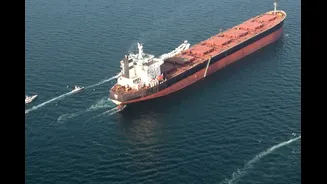
in view of the evolving West Asia situation. The West Asia conflict began following joint strikes by the United States and Israel on Iran on February 28, which killed the country's Supreme Leader Ayatollah Ali Khamenei. Iran retaliated with strikes on Israel, US bases in the region and other targets. The conflict has been escalating since then. Check Iran War Live Updates Here The focus of the meeting is to ensure uninterrupted supply, stable logistics and efficient distribution across the country, and the government is taking proactive steps to this end, reported PTI, citing sources. Continuous monitoring of global developments to protect consumer and industry interests is the key focus of the government. On March 12, PM Modi said that the war in West Asia has triggered a worldwide energy crisis, posing a critical test of national character that requires dealing with circumstances through peace, patience, and increased public awareness. The prime minister emphasised that his government is working relentlessly to address disruptions that have emerged in international supply chains. Read More - Russian Oil Tanker, US LPG Carrier Reach India as Hormuz Crisis Disrupts Global Supply | Exclusive Visual "Continuous efforts are also underway to determine how we can overcome the disruptions that have occurred in the supply chain," PM Modi said. The prime minister has spoken to many global leaders since the West Asia conflict started on February 28, with the US and Israel attacking Iran. Iran controls the Strait of Hormuz, a key shipping route through which 20 per cent of the world's energy is transported. Since the conflict, very few ships have been allowed by Iran to cross it. The blockade has resulted in severe disruptions in energy supply to many countries, including India. Since the conflict, PM Modi has had telephonic conversations with leaders from Saudi Arabia, UAE, Qatar, Bahrain, Kuwait, Jordan, France, Malaysia, Israel and Iran. (With PTI inputs)