





What is the story about?
DUBAI, United Arab Emirates (AP) — A series of airstrikes conducted by Israel and the United States on Monday killed more than 25 individuals in Iran.
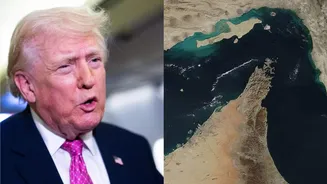
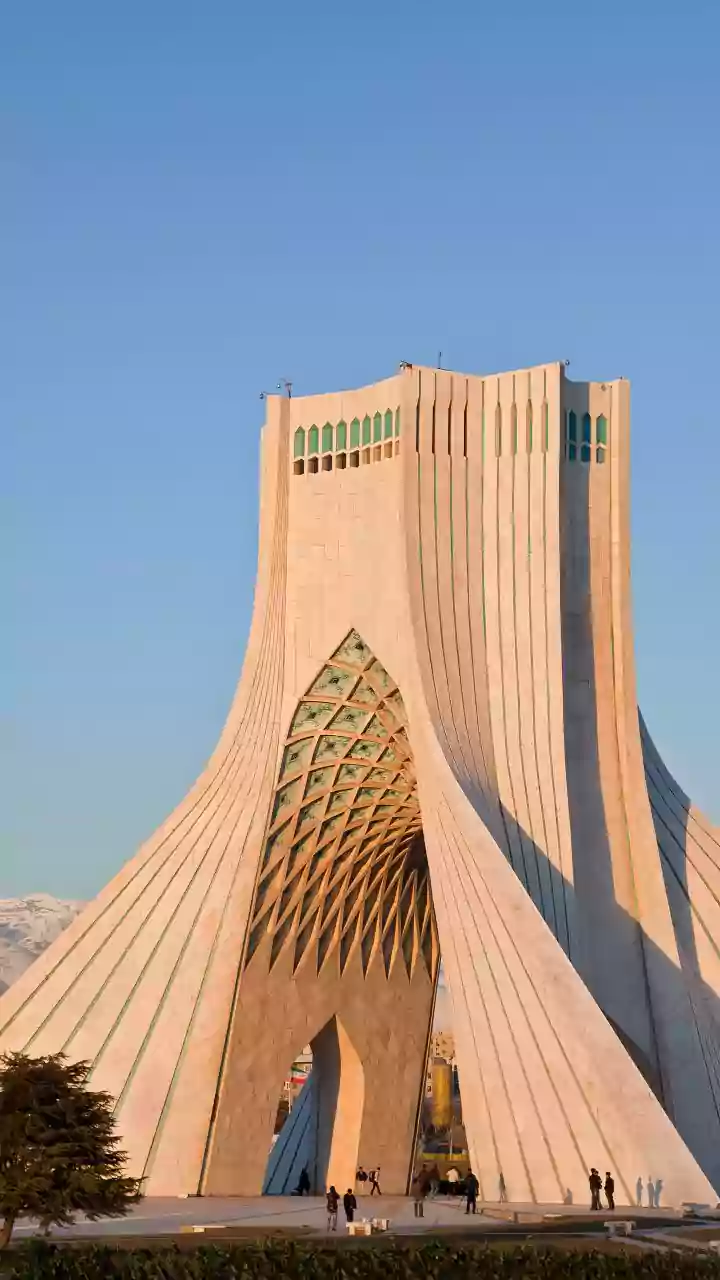
This escalation comes as U.S. President Donald Trump sets a deadline for Tehran to reopen the vital Strait of Hormuz. Explosions echoed throughout Tehran, with low-flying jets heard over the city for hours. One airstrike struck the grounds of Sharif University of Technology, causing thick black smoke to rise near Azadi Square.
Casualties and Ongoing Conflict
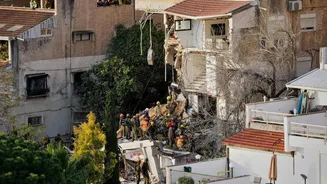
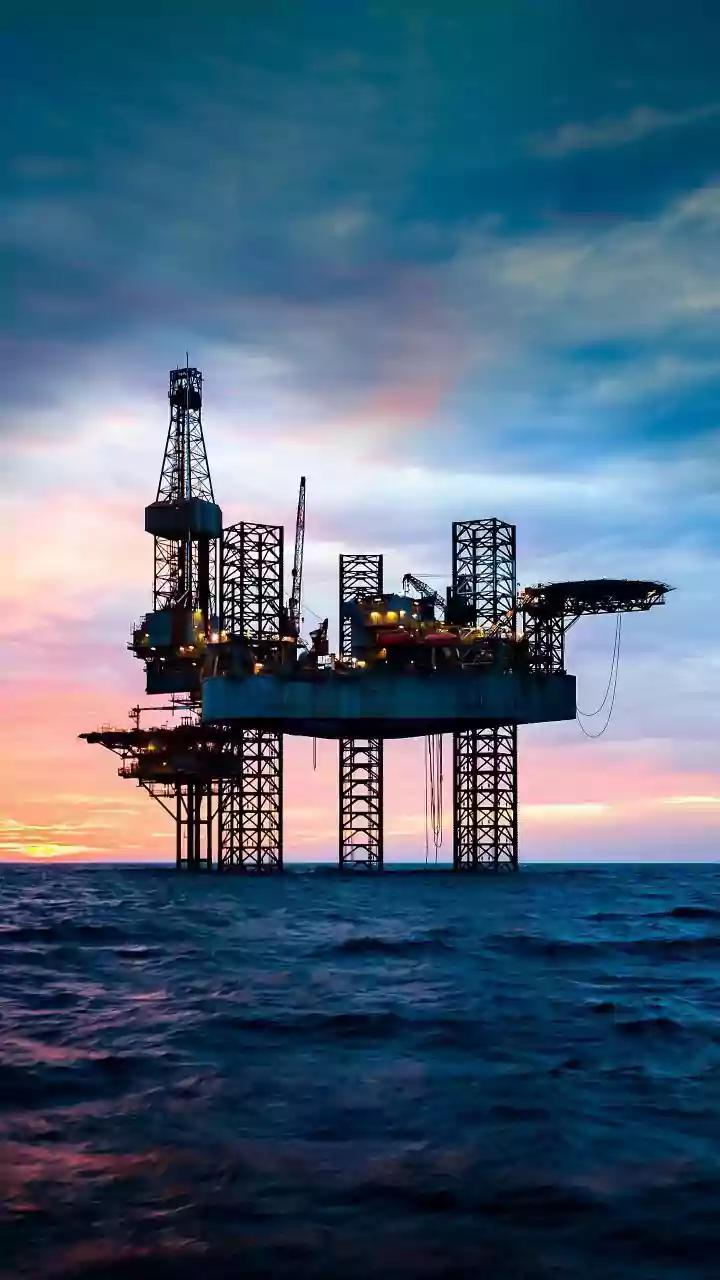
Israeli authorities reported that two individuals died in the rubble of a residential building in Haifa, with ongoing searches for two additional victims amid fresh Iranian missile attacks on the northern city of Israel.Kuwait and the United Arab Emirates activated their air defense systems to intercept Iranian missiles and drones, as Tehran intensified its military pressure on neighboring Gulf states. Iran's ongoing attacks on regional energy infrastructure and its control over the Strait of Hormuz, a crucial shipping route for global oil, have driven energy prices sharply higher.
Trump's Ultimatum and Iranian Response
Facing domestic pressure as public concern grows, Trump issued a deadline expiring Monday night, Washington time. He warned that failure to reach an agreement to reopen the strait would lead to U.S. strikes on Iran's power plants and other critical infrastructure.Trump stated, "Tuesday will be Power Plant Day, and Bridge Day, all wrapped up in one, in Iran," threatening dire consequences if Iran fails to comply with the reopening of the strait.
Iran's Stance and Diplomatic Efforts
Despite the looming deadline, Tehran has shown no indication of easing its control over the shipping lane, which had previously remained open before the onset of hostilities initiated by Israel and the U.S. on February 28.Iran's parliamentary speaker, Mohammad Bagher Qalibaf, condemned Trump's threats, calling them "reckless" and asserting that such actions would not yield positive outcomes.
He emphasized that the only solution lies in respecting the rights of the Iranian people and ceasing what he termed a "dangerous game." The international oil benchmark, Brent crude, rose to $109, approximately 50% higher than pre-war levels.
Impact on Maritime Traffic
Since the conflict began, Iran has permitted certain vessels to navigate the strait, but those associated with the U.S., Israel, or allied nations remain barred. Reports indicate that some ships have paid Iran for safe passage, resulting in an overall decline in maritime traffic of more than 90% compared to the previous year.In addition to military threats, diplomatic channels remain active, with Oman’s Foreign Ministry facilitating discussions between Iranian and Omani officials to propose measures for ensuring safe transit through the strait.
Casualties from Recent Airstrikes
The airstrikes on Monday morning included a strike on Tehran's Sharif University of Technology, causing significant damage to campus buildings and a nearby gas distribution site. The university, currently devoid of students due to the war's impact on education, has faced sanctions for its military affiliations.Reports indicate that at least 13 individuals died in a strike near Eslamshar, southwest of Tehran, while additional casualties occurred in Qom and other cities. Iranian state television confirmed three fatalities from an airstrike on a residential home in Tehran.
War Casualties and Broader Implications
Since the conflict began, over 1,900 fatalities have been reported in Iran, although the government has not updated its casualty figures in several days. In Lebanon, Israeli ground invasions have resulted in more than 1,400 deaths and over one million displaced individuals, while casualties also rise in Gulf Arab states and the occupied West Bank.In Israel, reports indicate 19 deaths, alongside the loss of 13 U.S. service members during the ongoing military actions.