








What is the story about?
The restaurant industry is witnessing a notable trend toward smaller portion sizes as establishments respond to changing consumer preferences. Restaurants
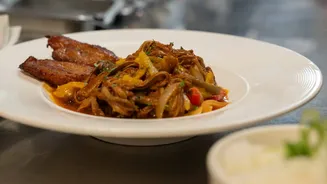
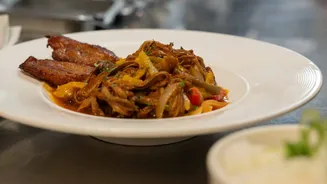
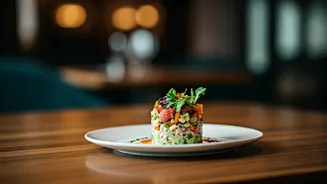
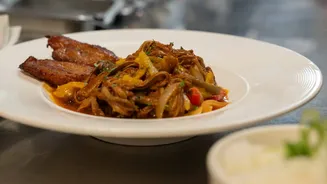
across the spectrum, from major chains like Olive Garden and The Cheesecake Factory to independent urban eateries, are introducing menus featuring petite servings that cater to diners looking for both budget-friendly and healthier options.
Consumer Demand for Smaller Portions
Many restaurants are expanding their offerings beyond traditional children's menus to include smaller servings that appeal to a variety of diners. This shift is partly driven by consumers seeking to reduce spending while dining out, as well as those focused on healthier eating habits or weight management. Maeve Webster, president of culinary consulting firm Menu Matters, noted that younger consumers often prefer snacking throughout the day rather than consuming larger meals.“These are really driven by, I think, changes in the way people are thinking about their relationship with food, the way they spend money on food, what is a good value and what’s not,” Webster stated.
Restaurants Adapting to Consumer Needs
Beth Tipton, co-owner of Daniel Girls Farmhouse Restaurant in Connersville, Indiana, responded to customer requests for smaller portions by launching an eight-item Mini Meals menu last fall. This menu, featuring options like a half piece of meatloaf with green beans and mashed potatoes for $8, now constitutes approximately 20% of the restaurant's orders.Tipton explained that older adults make up about half of her restaurant's clientele, with some expressing that the regular menu was too expensive. Having undergone weight-loss surgery herself, she recognized the need for smaller portion options that are accessible to all patrons.
“With the rising costs all around us we wanted to help in any way we can, and this is a great option,” Tipton remarked.
Catering to GLP-1 Users
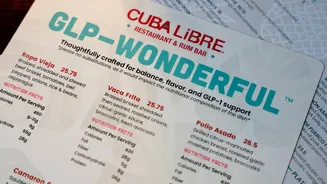
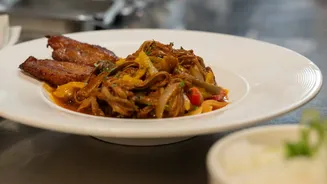
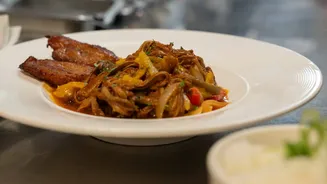
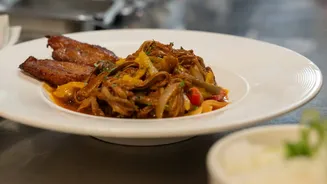
Some restaurants are also creating menus tailored for users of GLP-1 weight-loss and diabetes medications, such as Zepbound and Ozempic. Restaurateur Barry Gutin, who co-owns Cuba Libre Restaurant and Rum Bar, developed a special GLP-Wonderful menu after hearing from friends about their struggles to find suitable meals.According to Gutin, GLP-1 users typically require meals that are lower in calories but high in protein and fiber. The new menu includes five classic Cuban dishes, with significant reductions in calorie counts compared to the regular offerings.
“Many times when people are on those kinds of regimes, they feel that they can’t do the same as everybody else. So we wanted to show them, yes, at Cuba Libre, you can,” culinary director Angel Roque said.
Gutin reported that the menu has positively impacted business, with numerous patrons requesting the GLP-Wonderful options each week.
Major Chains Embrace Smaller Portions
Olive Garden recently launched its seven-item “Lighter Portions” menu, which aims to attract consumers seeking healthier or more affordable dining options, including GLP-1 users. Rick Cardenas, president and CEO of Olive Garden's parent company, Darden Restaurants, acknowledged the diverse needs of consumers regarding portion sizes.“There is a consumer group out there that believes in abundance, but abundance is different for everybody,” Cardenas stated during an investor conference call.
Other chains, such as P.F. Chang's and The Cheesecake Factory, have also introduced smaller portion sizes to their menus, reflecting a broader industry trend.
Long-Term Shift Towards Smaller Portions
While smaller portions are not a new concept, industry experts believe the current trend represents a significant and lasting shift. Maeve Webster remarked that this movement transcends specific cuisines and aligns with increasing consumer awareness of food waste. Smaller servings can help mitigate this concern.“I think it is a core need that consumers have, and a demand that has been lingering under the surface for a long time because restaurant meals, particularly at chains, have become so large,” Webster said.
Jack Pless, a restaurant owner from North Carolina, expressed appreciation for smaller portion options during a visit to Barkeaters Restaurant in Vermont, which recently introduced a Teeny Tuesday menu aimed at attracting more weekday customers.
“So many times you go out to restaurants, especially me or my wife, and we’ll take home a box and it’ll sit in the refrigerator for two, three days and start to grow a beard,” Pless noted.
Julie Finestone, co-owner of Barkeaters, reported that the lower-priced menu items have attracted more business than anticipated, indicating a potential long-term demand for smaller portions.
“Some people, it’s dietary. Some have smaller appetites. Some people don’t like to overindulge in the middle of the week,” Finestone explained.