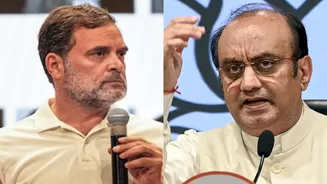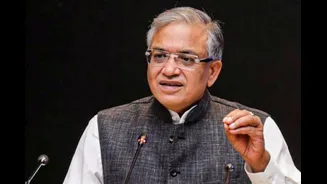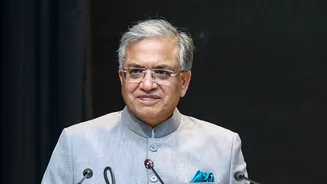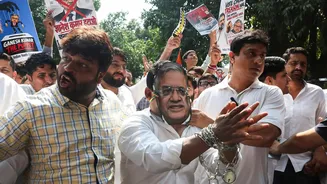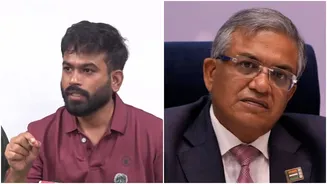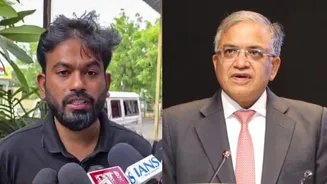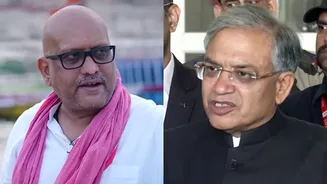





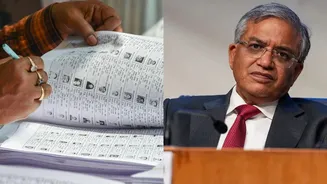
Uttar Pradesh Congress chief Ajay Rai, who contested 2024 Lok Sabha election from Varanasi against PM Modi, on Saturday demanded that the election, where
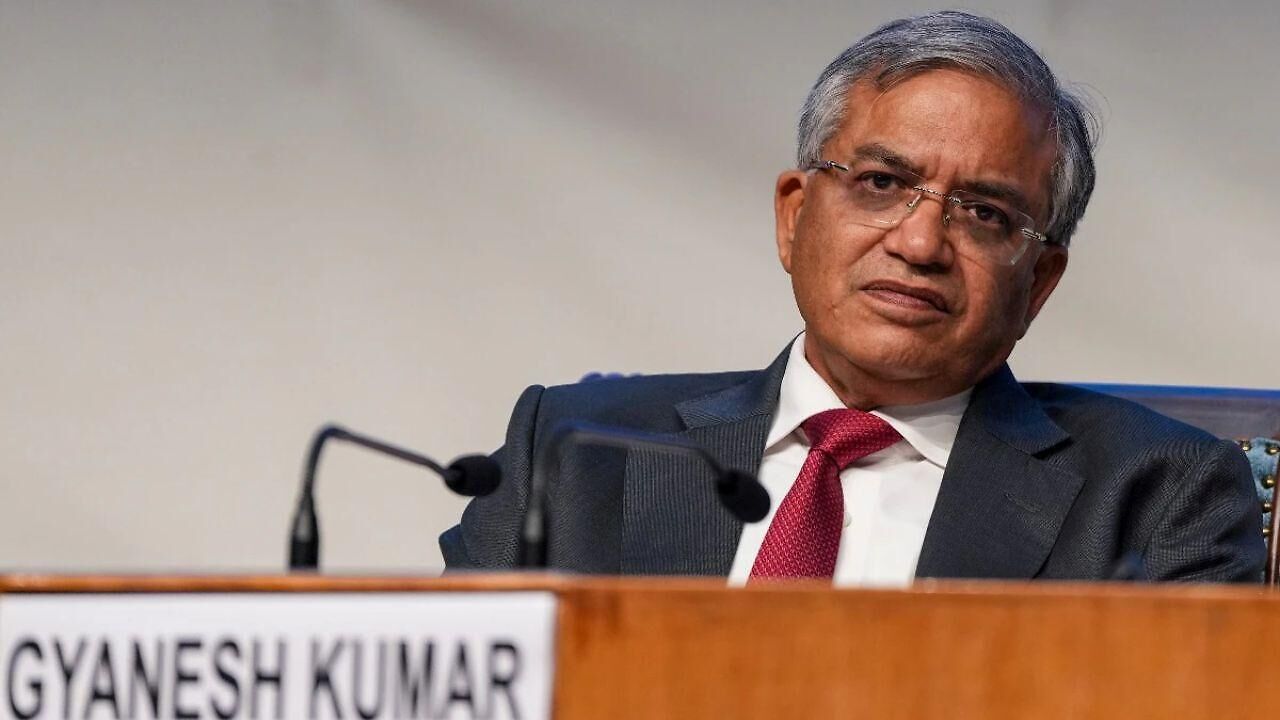
Prime Minister Narendra Modi won, be cancelled and the polls be reconducted, as he claimed that Chief Election Commissioner (CEC) Gyanesh Kumar helped rig the voting to ensure the BJP's victory. Continuing attack at the poll body chief, Rai demanded his arrest over the Special Intensive Revision (SIR) row, calling him a “corrupt and dishonest person”. The UP Congress chief had contested the Lok Sabha polls in Varanasi against Modi and lost by 1,52,513 votes. Gyanesh Kumar, a 1988-batch Indian Administrative Service officer of the Kerala cadre, was appointed as the election commissioner on March 15, 2024, following his retirement. He later took charge as the 26th Chief Election Commissioner on February 19, 2025. "Gyanesh Kumar is a corrupt officer and a dishonest person. He is the one who orchestrated a fraudulent election victory. He ensured (Narendra) Modi's win by rigging the election across the entire state, and he continues to aid the BJP and Modi. The person who helped form the (BJP) government did so by stealing our votes, by resorting to dishonesty," he added. "He should be arrested, and the (2024 Lok Sabha) election in Varanasi must be cancelled. A re-election should be held.
Cancel Elections in States Conducted After Gyanesh Kumar's Appointment As CEC: Rai
Elections in the states where voting took place during Gyanesh Kumar's tenure should also be cancelled and re-conducted. This is our demand," the UP Congress chief said.
Why CEC Is Facing Opposition Heat
Kumar has come under attack from the opposition after a news report claimed that he ignored objections raised by Election Commissioners Sukhbir Singh Sandhu and Vivek Joshi on 14 occasions in 10 months over decisions and orders related to the SIR exercise.
The Election Commission has maintained that differing views and observations are a normal part of institutional deliberations, asserting that its orders have full legal sanction and follow statutory procedures.
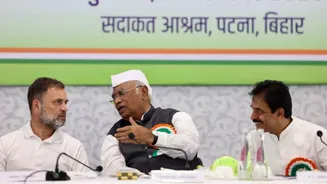
Apart from Rai, other Congress members in Uttar Pradesh also raised questions about the conduct of the Election Commission.
Congress MLA Aradhana Mishra 'Mona' and party national spokesperson Abhay Dubey questioned the BJP government over changes to the selection process for election commissioners under the Chief Election Commissioner and Other Election Commissioners (Appointment, Conditions of Service and Term of Office) Act, 2023, which received the President's assent on December 28, 2023.
Earlier, under Article 324(2) of the Constitution, the CEC and the two election commissioners were selected by a committee comprising the prime minister, the leader of the opposition in the Lok Sabha, and the chief justice of India.
Then, on the committee’s advice, the President would appoint the election commissioners. But the 2023 Act replaced the chief justice of India in the selection committee with a Union Cabinet minister nominated by the prime minister.
Congress Questions CEC Selection Panel, 2023 Rule
Congress leaders questioned the exclusion of the chief justice of India, citing that on March 2, 2023, a five-judge Constitution bench of the Supreme Court, headed by Justice KM Joseph, unanimously backed the earlier selection process.
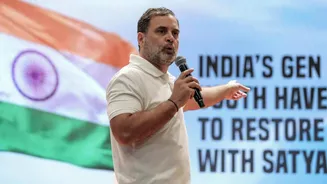
They also referred to Kumar's appointment as the CEC and the note of dissent filed by Rahul Gandhi on February 19, 2025.
Dubey claimed that Gandhi, in his dissent note, objected to excluding the CJI from the selection committee, saying that it ran counter to the spirit of the Supreme Court's 2023 verdict.
Gandhi also cited various inconsistencies within the rules, Dubey said.
Citing the report over alleged differences within the election commission, the Congress leaders questioned why those objections were not addressed.
Highlighting various discrepancies in the SIR process, the leaders asserted, “The most critical question today is not merely whether the Election Commission possesses the authority to conduct an SIR. Rather, the fundamental question concerns the level of transparency, adherence to statutory procedures, and institutional consensus involved in decisions affecting the electoral roll, the basic premise of democracy.”
With inputs from PTI