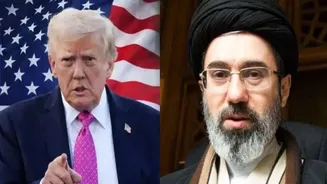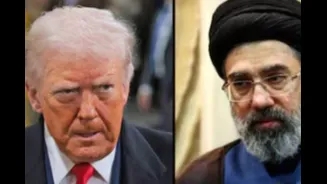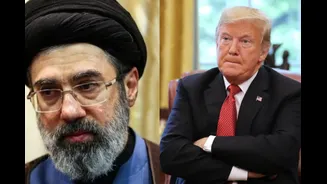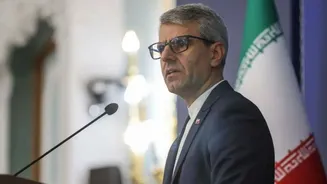




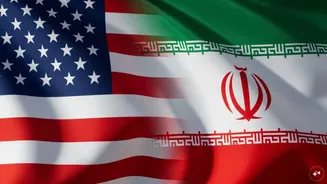



Iran on Thursday welcomed the formal signing of its memorandum of understanding (MoU) with the United States, saying the agreement is now "officially finalized"
and marking the start of a new phase of negotiations focused on sanctions relief and Tehran's nuclear programme. Iranian Foreign Ministry spokesman Esmail Baghaei said the document had been signed digitally by both countries, according to state broadcaster IRIB, meaning there would be no formal signing ceremony in Switzerland. "It was agreed that the Iran–US memorandum of understanding would be signed digitally," Baghaei was quoted as saying. "The Iran–US memorandum is now officially finalized because both sides have signed it," he added. Baghaei said the agreement's signing increased the consequences of any future breach. According to IRIB, he said violating the memorandum would "carry a greater cost" now that it had been endorsed by both presidents. The spokesman said there were no surprises in the text and that its contents had already been broadly discussed in public. "We have, more or less, stated all of these points before," he said. According to Baghaei, the agreement establishes a 60-day period of negotiations focused exclusively on Iran's nuclear programme and the lifting of sanctions. "The wise decision of the Islamic Republic was not to negotiate the nuclear issue at this stage," he said. "It was decided that the focus should be on ending the war, and we accomplished that." Baghaei also reiterated Tehran's position that Iran must be able to sell its oil without restrictions and have full access to the revenues generated from those sales.
According to Iran's Mehr news agency, he said the mechanism for unfreezing blocked Iranian assets had been finalised in consultation with Iran's central bank.
Baghaei said Tehran must retain the unrestricted right to access and use its assets, adding that the United States had committed to removing existing obstacles.
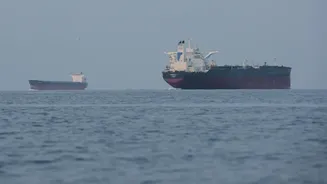
Iranian officials also stressed that the future operation of the Strait of Hormuz would not return to pre-war arrangements.
Baghaei reportedly said responsibility for the strategic waterway would rest with Iran and Oman, while chief Iranian negotiator Mohammad Bagher Ghalibaf told state television that the "Strait of Hormuz will not return to pre-war conditions". "Iran has the right to sovereignty over the Strait of Hormuz and of course we will receive a fee for services," Ghalibaf said.
The memorandum provides for a 60-day toll-free period for commercial shipping. After that, Tehran has indicated that transit fees could be imposed.
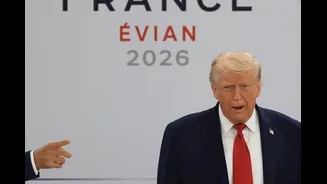
US President Donald Trump has previously said he would not accept tolls on vessels using the route, one of the world's most important energy corridors. However, he has defended the agreement, arguing that without it the strait would not have reopened and that a global economic downturn could have followed.
Iranian officials said negotiating teams are still expected to meet in Geneva, despite the digital signing of the agreement eliminating the need for a physical signing ceremony.
Baghaei said Iran had deliberately prioritised securing a ceasefire and ending the conflict before addressing other issues. He noted that Lebanon features prominently in the first clause of the memorandum, which commits both sides to respecting Lebanese sovereignty and territorial integrity.
Iran also made clear that its military capabilities would not form part of future talks.
According to Baghaei, the country's missile programme remains off the negotiating table. "Iran's missiles are only for being fired, not for negotiation," he said, adding that Tehran would not discuss its defence assets "in any process or with any party".