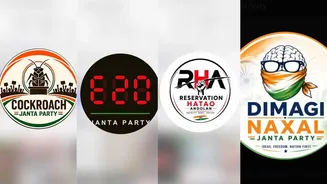




A new trend appears to be taking shape on social media, where words or phrases used by political leaders and authorities are being turned into the names
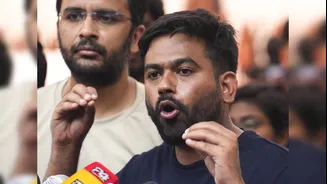
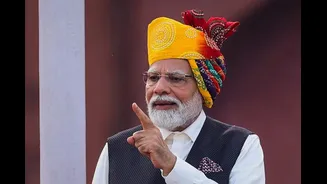
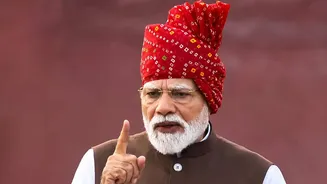
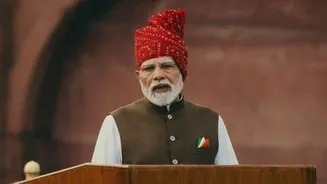
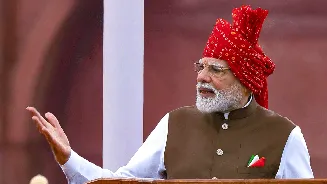
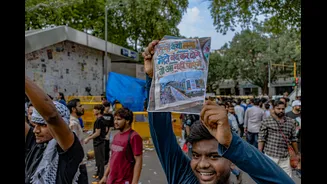
of satirical online parties and movements. These digital campaigns often use humour, criticism and political messaging to question government policies or raise voices against issues. What began with the Cockroach Janta Party has since been followed by the E20 Janta Party, Reservation Hatao Andolan and, most recently, the Dimagi Naxal Party. Here is a look at how these internet-driven political movements emerged and how far they have managed to go beyond social media. 1. Cockroach Janta Party: From Social Media To The Streets The Cockroach Janta Party (CJP) was launched in May 2026 by former AAP social media worker Abhijeet Dipke. The name followed a remark by Chief Justice of India Surya Kant, in which he compared unemployed youth to “cockroaches.” What initially began as an online movement gradually developed a presence on the ground. Dipke later announced a protest at Jantar Mantar on July 20 over alleged NEET paper leaks and student suicides. The demonstration eventually witnessed clashes and unrest between police and protesters and was followed by the resignation of Union Education Minister Dharmendra Pradhan. The CJP has since built a substantial social media following. Its Instagram account has around 26 million followers, while its official X account has more than 380,000 followers. 2. E20 Janta Party Following the rise of CJP, another internet-based campaign emerged around the debate over E20 fuel. Calling itself the E20 Janta Party, the movement has been demanding greater consumer choice at petrol pumps, including the availability of 100 per cent petrol alongside E20 fuel. Unlike CJP, the movement has so far remained largely online, with no major street protest announced. Its Instagram account has around 571,000 followers, while its X account has crossed 50,000 followers. The Instagram bio of the E20 Janta Party states: “One demand. One mission. We want the freedom to choose 100% original fuel at discounted price.” 3. Reservation Hatao Andolan Another social media campaign to gain significant traction is the Reservation Hatao Andolan, which focuses on reservations and caste-related issues. The movement’s Instagram page has amassed more than five million followers and has published over 200 posts. Its bio describes the campaign as being “backed by citizens who believe reform deserves a voice” and uses the slogan “Educate-Agitate-Organize,” while calling for equality among castes and a stronger nation. So far, the campaign remains predominantly digital and has not developed into a major street movement. 4. Latest: Dimagi Naxal Party The latest entrant in this growing list of internet-born political movements is the 'Dimagi Naxal Party.' The Instagram account reportedly crossed 1.8 lakh followers before becoming inaccessible. The page now displays “User not found” and “No posts,” although it remains unclear whether the account was temporarily disabled, affected by a technical issue or permanently removed. The group also operates an X account under the name “Dimagi Naxal Janta Party”. Following the disappearance of its Instagram page, the account claimed that the platform had suspended it, posting: “Dimag Se Paidal Group has suspended our Instagram account… But we are Dimagi people… We shall be back soon. Keep an eye on the only official page.” The X account currently has around 8,000 followers. The name is a direct reference to a phrase used by Prime Minister Narendra Modi during his Independence Day address from the Red Fort. While speaking about the government’s fight against Maoist insurgency, Modi said that armed Naxalism had been eliminated from forests but warned of the presence of “dimagi (intellectual) Naxals”. “We have succeeded in eliminating armed Naxals from the forests and liberating the nation from that crisis. However, while armed Naxals are gone, dimagi (intellectual) Naxals are lurking around,” he said. With each new campaign borrowing its identity from a political remark, policy debate or controversial issue, these movements highlight how social media is increasingly being used not just to react to political developments, but also to create new forms of satire, protest and digital mobilisation.