






What is the story about?
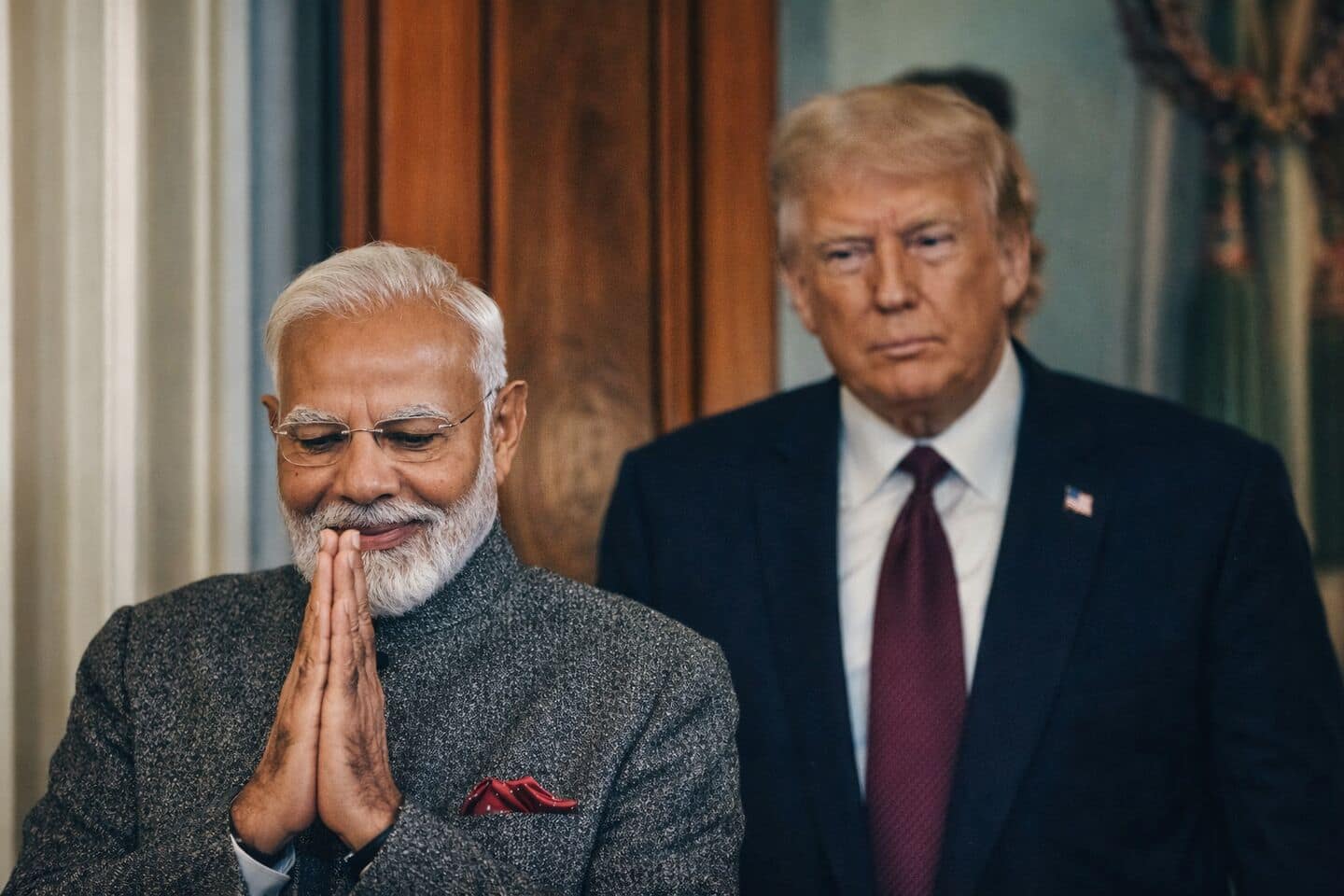
New Delhi and Washington have announced a framework for an interim trade agreement aimed at enhancing bilateral trade. This agreement involves significant
reductions in import duties on a variety of goods, facilitating increased trade flows between the two nations. Under the new framework, the United States will lower tariffs on Indian goods from 50% to 18%, while India will eliminate or reduce duties on a broad range of American industrial and agricultural products. The agreement is expected to create new opportunities for Indian exporters in a market valued at $30 trillion.
Details of the Trade Agreement
The joint statement from both countries highlights India's commitment to purchase $500 billion worth of U.S. energy products, aircraft, precious metals, and technology products over the next five years. This significant commitment underscores the growing economic ties between India and the U.S.Furthermore, U.S. President Donald Trump has revoked the 25% tariffs imposed on India for purchasing Russian oil, acknowledging India's efforts to cease oil imports from Russia. This decision reflects a shift in U.S.-India relations and aims to bolster economic cooperation.
Impact on Indian Exporters
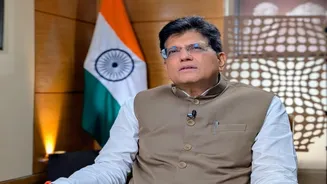
Prime Minister Narendra Modi emphasized that the interim trade pact would reinforce the 'Make in India' initiative, providing new opportunities for farmers and entrepreneurs. Commerce and Industry Minister Piyush Goyal noted that the agreement will particularly benefit micro, small, and medium enterprises (MSMEs), farmers, and fishermen by reducing U.S. duties on Indian exports.The reduction in tariffs is projected to enhance exports from India's labor-intensive sectors, including textiles, leather, and organic chemicals. Tariffs on a wide range of goods, such as generic pharmaceuticals and aircraft parts, will also be reduced to zero, thereby improving India's competitive edge in international markets.
Future Trade Cooperation
The U.S. Trade Representative stated that the trade deal would expand access for American farmers and producers to one of the largest economies globally, with India agreeing to eliminate tariffs on all U.S. industrial goods. Both countries aim to address long-standing non-tariff barriers and enhance technology cooperation.The framework is set to be transformed into a legal agreement, anticipated to be signed by mid-March, following which India will commence reducing tariffs on designated American goods. The joint statement indicates that both nations are committed to finalizing a mutually beneficial Bilateral Trade Agreement.
Economic Context
During the 2021-2025 period, the U.S. emerged as India's largest trading partner, accounting for approximately 18% of India's total exports. In the fiscal year 2024-2025, bilateral trade reached $186 billion, highlighting the significance of this economic relationship.India's trade surplus with the U.S. has also seen an increase, rising to $41 billion in 2024-2025, up from $35.32 billion in the previous year. This growing trade surplus reflects the strengthening economic ties and the potential benefits of the new trade framework.