



New Delhi: The Supreme Court on Friday said it would take steps to expedite the hearing of appeals pending before 19 appellate tribunals in West Bengal
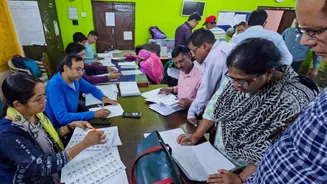
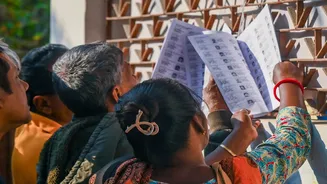
under the Special Intensive Revision (SIR) of electoral rolls. The court indicated that appeals seeking inclusion in the voter list could be given priority, while appeals filed by those seeking the deletion of other voters could be taken up later. “We will do something to expedite hearings of appeals pending before tribunals,” Chief Justice of India (CJI) Surya Kant said during the hearing. He also assured the petitioners, “We will make some appropriate intervention.” The observations came as advocates Prashant Bhushan and Gopal Sankaranarayanan sought the speedy disposal of pending appeals, citing the local body elections scheduled for November and the large number of voters whose appeals remain undecided. “Appeals for inclusion in voter list can be priority wise,” the CJI said, adding that appeals filed by persons seeking the deletion of other voters could be pushed behind and taken up later. Justice Joymalya Bagchi, who was also part of the bench, flagged technical challenges affecting the process. “We need to thrash out some issues like software issues in ECINET portal,” he said. During the hearing, the petitioners highlighted that delays in the adjudication of appeals had affected voters in West Bengal. They told the apex court that around 18,000 voters whose appeals were pending could not vote in Nandigram and Rejinagar. Advocates Bhushan and Sankaranarayanan also drew the court’s attention to the broader picture acknowledged by the Election Commission of India (ECI) in its affidavit, pointing to the gap between the number of appeals filed and those disposed of by the tribunals. According to the figures cited, 38.20 lakh appeals have been filed so far, while the 19 appellate tribunals have disposed of only 1.02 lakh appeals in six months, since they began functioning in March. The petitioners also highlighted the high success rate among appellants whose cases have been decided. Of the 1,26,194 appeals decided so far, around 93 per cent were allowed, resulting in the voters being re-included in the electoral rolls. Bhushan cited this success rate while pressing for expeditious hearings, arguing that the figures underscored the importance of resolving pending appeals without further delay. The petitioners urged the court to intervene so that eligible voters are not deprived of their right to vote because their appeals remain unresolved. The Supreme Court indicated that it would consider appropriate measures to address the backlog and prioritise appeals seeking inclusion in the electoral rolls.