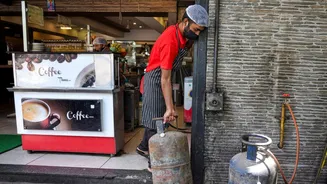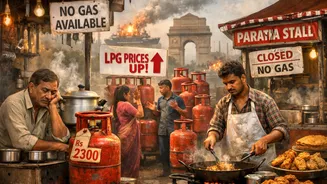





As the crisis around the LPG cylinder looms amid the ongoing Israel, US and Iran war, cases are highlighted on social media, where the restaurants responded
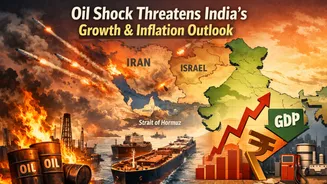
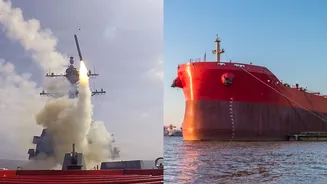
to the rising prices by adding a separate “LPG surcharge” to the final bill. One of the weird situations of the LPG surcharge surfaced from Bengaluru, where a picture of a bill from a cafe was shared online, which went viral. The bill was otherwise normal, but what was eye-raising was the five per cent “gas crisis charge”. What further confused the consumer was the charge on a ‘lemonade’. As per the bill, the customer had ordered two lemonades, costing Rs 179 each – Rs 358 in total. However, they were required to pay Rs 374, as it also added Rs 17 as the gas charge, along with GST. What consumers are asking and must know is if this “charge” is legit and what the law says about this “extra money” that these eateries are charging in the name of the LPG crisis. What Bengaluru Hotels’ Association Says On “LPG Crisis Charge”? According to the Bengaluru Hotels’ Association, restaurants are facing losses of around 25–30%, with operators reporting a drop in customer footfall as several popular dishes have been removed from menus due to fuel shortages. Despite government assurances on improving availability, industry stakeholders say the ground reality remains uncertain, with many scrambling daily to secure fuel to keep kitchens running. The question still stands: Can such a charge, which most consumers say is “cheating” on the part of restaurants, be imposed at the billing stage? What Does the Indian Law Say? As per the Consumer Protection Act, 2019, an unfair trade practice is any conduct that misleads consumers about pricing or compels them to pay for a service without prior disclosure. The Act says that any charge not communicated before an order is placed can be challenged, and a fee that appears automatically on the bill without the consumer’s knowledge may fall within the scope of an unfair practice. In this context, the Central Consumer Protection Authority (CCPA) had earlier in 2022 issued guidelines saying that the consumers must not be subjected to compulsory charges that are not part of the displayed price. The Act does not specifically refer to an LPG surcharge but the precedent is relevant because an LPG surcharge similarly appears as an amount added over and above the menu price. However, in such cases, restaurants may revise menu prices to reflect increased input costs. They can also communicate any additional charge before an order is placed. But what they cannot do is introduce a charge after the consumer has already made a purchase. The currentLPG crisis in India is primarily driven by a severe disruption in global supply chains caused by the escalating West Asia conflict involving the US, Israel, and Iran. Meanwhile, India's two LPG tankers safely passed through the Strait of Hormuz and reached Indian ports. On Tuesday, the Nanda Devi LPG tanker, with over 47,000 metric tonnes of liquefied petroleum gas, reached Vadinar Port in Gujarat. It is the second such vessel to navigate the strategic route amid escalating tensions in West Asia.