




What is the story about?
For nearly a decade, Lesley VanNess attended the South Beach Wine & Food Festival, a renowned event featuring celebrity chefs and culinary delights, attracting
tens of thousands of participants each year. However, with the rise of social media, attendees like VanNess have shifted their focus from attending large-scale festivals to engaging directly with chefs online, raising questions about the relevance of traditional food festivals in today's culinary landscape.
Changing Dynamics of Food Festivals
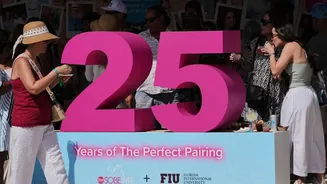
Last weekend marked the 25th anniversary of the South Beach Wine & Food Festival, which remains a staple alongside the New York City Wine & Food Festival and the Food & Wine Classic in Aspen. Despite their enduring popularity, many smaller food festivals have vanished due to the pandemic, rising costs, and a lack of interest from chefs.Mike Thelin, co-founder of the now-defunct Feast Portland festival, remarked, “South Beach and New York fill a niche and I can see them going on forever. But food events and festivals are evolving into a different direction.”
Emergence of Localized Events
The decline of large festivals has led to the rise of smaller, localized events that emphasize regional specialties and community connections. Thelin noted that attendees now seek authentic experiences that reflect local culinary traditions rather than generic offerings.Lois Cho, co-founder of the AAPI Food & Wine festival, stated, “The foodie scene has changed so much. Creating a different narrative and community where you can connect with people, those are the types of events we’ll see now.”
Established Festivals Continue to Thrive
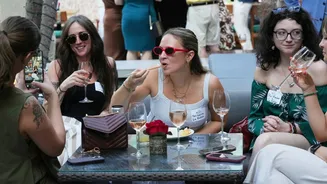
Despite the changing landscape, the South Beach Wine & Food Festival and its New York counterpart continue to draw large crowds. This year, tickets for nearly all of South Beach's 110 events sold out, showcasing the festival's lasting appeal.Lee Schrager, the festival's founder, emphasized the unique experience that in-person events provide, stating, “There’s something very different about DM’ing Bobby Flay than going to an intimate dinner at a table of 10 that he’s doing that’s sold out in three days.”
Culinary Experiences in a Digital Age
As social media continues to reshape the culinary landscape, chefs and food personalities are increasingly accessible online. VanNess expressed her preference for engaging with chefs through social media or visiting their restaurants instead of attending crowded festivals.Rachael Ray, a long-time participant in these festivals, highlighted the importance of personal interaction, stating, “I love talking to people, being with people, having people climb all over you, hang on you, give you a compliment.”