




What is the story about?
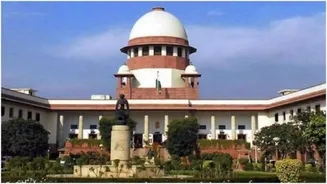
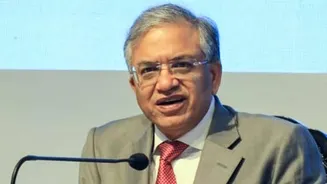
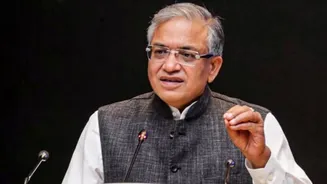
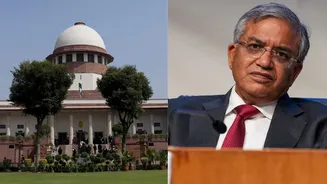
IThe Supreme Court on Monday during its hearing on a plea seeking suspension of Chief Election Commissioner Gyanesh Kumar over the SIR row, made three
significant observations. A Bench headed by Chief Justice Surya Kant and comprising Justices Joymalya Bagchi and V Mohana issued notice to the Election Commission, the CEC and the two other Election Commissioners - Sukhbir Singh Sandhu and Vivek Joshi - on allegations that several decisions were taken without the concurrence of the full Commission. Below are the three big takeaways from the hearing in Supreme Court on Monday:
1. 'ECI Has To Follow The Law'
The strongest message from the hearing was that the Election Commission, despite its constitutional status, is not above the statutory framework governing its functioning.
When the petitioners alleged that EC decisions had been taken unilaterally, the CJI said the court would first seek an authenticated record rather than act merely on media reports. But he also made it clear: “There’s a law, they are expected to follow.”
“There is a mandatory law, and we expect them to follow it. If there is any violation, we will undo,” Chief Justice Surya Kant said.
The remark came after senior advocate Vikas Singh, appearing for petitioner Rakesh Kumar Singh, argued that the CEC was acting contrary to the statutory framework. Singh pressed for interim relief, warning that “the Court has to pass some interim orders, otherwise the country will burn.”
The Bench indicated that if the records establish that the law was not followed, the court could intervene. Justice Bagchi went further, saying that if records show that a particular decision was not taken unanimously where required, the court could injunct it and hold it ultra vires.
2. 'Any Modified Form 6 Not Approved By Us. Let's Be Clear'
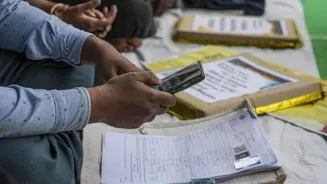
The court also raised questions over the changes made to Form 6, the application used by new voters to register themselves.
The CJI made an unusually direct clarification: “Any modified Form 6 has not been approved by us. Let’s be clear.” The Bench said that once the relevant records are produced, it wants to know who modified the form.
The controversy centres on additional declarations linked to ancestry and previous Special Intensive Revision exercises. The petitioners allege these requirements were incorporated into the online system without the statutory process necessary to amend the prescribed form. The two Election Commissioners had reportedly objected to the change.
3. CEC Immunity On SC Radar
The hearing also brought the controversial immunity granted to election commissioners under Section 16 of the 2023 law into focus.
The provision protects serving and former CECs and Election Commissioners from civil and criminal proceedings for acts done in the discharge, or purported discharge, of official duties.
During Monday’s hearing, the Bench questioned the breadth of this protection. The CJI indicated that the court would examine whether the new statutory provision had been adhered to.