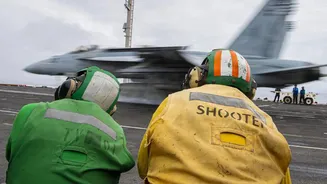








The United States is preparing to deepen its economic and military pressure on Iran, with Donald Trump directing officials to plan for an extended blockade
of the Strait of Hormuz — one of the world’s most critical energy corridors. The decision comes at a fragile moment, with ceasefire-linked diplomacy faltering and tensions threatening to spill back into open conflict. According to officials cited in reports, Trump made the call during a Situation Room meeting, choosing to continue restricting shipping linked to Iran rather than escalate through renewed bombing or step back from the confrontation. The strategy, described by aides as an effort to “squeeze” Iran’s economy, centres on limiting its oil exports — a key revenue lifeline for Tehran.
Blockade Over Diplomacy As Talks Falter
The move follows the breakdown of a fresh Iranian proposal conveyed via mediators, including Pakistan. Tehran’s plan reportedly focused on reopening the Strait of Hormuz and delaying negotiations on its nuclear programme — a sequencing Washington has rejected.
Trump told aides the proposal was not made in “good faith” and failed to address core US demands, particularly on halting nuclear enrichment. His administration has insisted that any meaningful agreement must tackle nuclear issues upfront, a position that continues to widen the gap between the two sides.
“I am not surprised that he hasn’t taken the deal because it doesn’t address the nuclear issue at all,” Eric Brewer, a former US intelligence analyst on Iran, said, underscoring scepticism within policy circles about Tehran’s approach.
Trump, meanwhile, has framed the blockade as a pressure tactic already yielding results. In a public statement, he claimed Iran was entering a “state of collapse” and seeking relief through negotiations — a signal that Washington believes its economic strategy is working.
Global Impact And Rising Stakes
The consequences of the blockade are already being felt beyond the region. Oil prices have surged past the $100 mark, with Brent crude trading near $111 per barrel and US benchmarks also climbing sharply. Analysts warn that prolonged disruption in the Strait — through which a significant share of global energy supplies flows — could trigger broader inflationary pressures worldwide.
On the ground, maritime activity has slowed dramatically. US Central Command reported a sharp increase in vessels stranded at Iranian ports, with ships unable to move freely due to enforcement measures. The Strait itself has become increasingly difficult to navigate, raising risks for commercial shipping and insurers alike.
US Secretary of State Marco Rubio defended the blockade, arguing that it targets Iranian shipping rather than global trade. He accused Tehran of attempting to weaponise the Strait economically, describing its actions as akin to deploying an “economic nuclear weapon” against global markets.
Despite the mounting pressure, diplomacy remains uncertain. Planned talks in Islamabad were called off after Iran declined to participate, and subsequent attempts to revive negotiations have struggled amid logistical and political hurdles.