







What is the story about?
DUBAI, United Arab Emirates (AP) — On Friday, Israel escalated its military operations against Iran, targeting facilities associated with missile production
in Tehran. This action coincided with U.S. President Donald Trump's assertion that negotiations aimed at resolving the ongoing conflict were progressing positively, despite Iran showing no signs of compliance. The conflict has had significant repercussions on global markets, with economic instability spreading beyond the Middle East. Trump faces increasing pressure to address Iran's control over the Strait of Hormuz, a crucial maritime route for oil transportation, as stock markets continue to fluctuate in response to the war.
U.S. Military and Diplomatic Efforts
The United States has proposed a 15-point ceasefire plan to Iran, which includes demands for the country to relinquish control of the Strait of Hormuz. Concurrently, the U.S. has deployed thousands of additional troops to the region, suggesting preparations for a potential military intervention to regain control of the strategically vital waterway.With a deadline imposed by Trump for Iran to comply, the administration has since extended this deadline to April 6, indicating that discussions to resolve the conflict were progressing. Nevertheless, Iran has firmly denied any engagement in negotiations.
Impact of Israeli Strikes and Regional Tensions
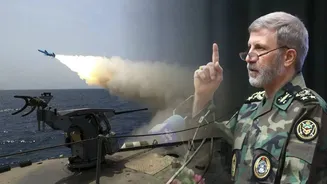
Israeli forces conducted strikes within Tehran, targeting locations utilized for the production of ballistic missiles and other armaments, as reported by the Israeli military. Additional strikes were aimed at missile launchers and storage facilities in western Iran.Simultaneously, reports indicated rising tensions in Lebanon, where air raid sirens were activated in Israel in response to Iranian missile attacks. The conflict has also impacted Gulf Arab states, including Bahrain, Qatar, and the United Arab Emirates, which experienced warning sirens due to ongoing missile threats.
Kuwait reported damage to its Shuwaikh Port and the Mubarak Al Kabeer Port, which is currently under construction as part of China's Belt and Road Initiative. This incident marks a notable attack on a project linked to Chinese interests in the region, as China continues to purchase Iranian oil despite the conflict.
Global Economic Consequences
Following a significant decline in Wall Street, Asian markets also experienced downturns due to growing skepticism about potential de-escalation of the conflict. Oil prices surged, with Brent crude trading at $107 per barrel, reflecting an increase of over 45% since the onset of hostilities initiated by the U.S. and Israel on February 28.Diplomatic Initiatives and Humanitarian Concerns
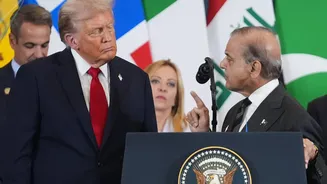
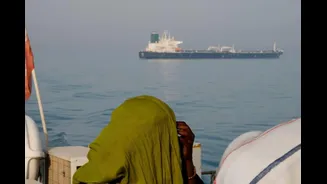
Iran's control over the Strait of Hormuz has raised alarm over a possible global energy crisis, prompting a Gulf Arab coalition to report that Iran is now charging fees for safe passage through the waterway. Trump's envoy, Steve Witkoff, indicated that the U.S. had submitted a ceasefire proposal to Iran, mediated by Pakistan, which included demands related to Iran's nuclear program.In response, Iran has rejected the U.S. proposal and has offered its own five-point plan, which calls for reparations and recognition of its sovereignty over the Strait of Hormuz. Diplomatic efforts are underway to facilitate a direct meeting between U.S. and Iranian representatives, potentially in Pakistan.
Egypt's Foreign Ministry confirmed that its foreign minister has engaged in discussions with counterparts from Turkey and Pakistan to advance these diplomatic efforts, aiming for a gradual de-escalation of hostilities.
Casualties and Humanitarian Impact
As the conflict continues, the humanitarian toll has escalated, with more than 1,900 fatalities reported in Iran. In Israel, 18 individuals have lost their lives, including four soldiers killed in Lebanon. American military personnel have also been affected, with at least 13 casualties reported. The death toll extends to 1,100 in Lebanon and 80 among Iraqi security forces due to the involvement of Iranian-backed militias.Humanitarian organizations have reported extensive damage to civilian infrastructure in Iran, with estimates indicating that 82,000 civilian structures, including hospitals, have been affected. Jan Egeland, secretary general of the Norwegian Refugee Council, emphasized the urgent need to end the conflict, warning of a potential humanitarian disaster if the war persists.