






What is the story about?
ISLAMABAD (AP) — U.S. and Iranian officials conducted separate discussions with Pakistan’s Prime Minister on Saturday, as a ceasefire remained precarious
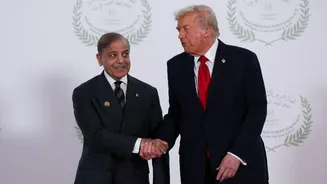
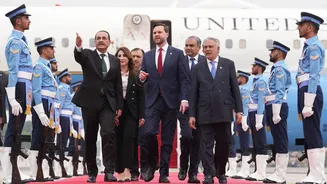
due to significant disagreements and ongoing hostilities in Lebanon. A U.S. delegation, headed by Vice President JD Vance, and an Iranian delegation, led by Parliament Speaker Mohammad Bagher Qalibaf, met with Pakistani Prime Minister Shehbaz Sharif, as confirmed by both Sharif’s office and Iranian media. As of mid-afternoon, no direct negotiations between the U.S. and Iran had been reported in Islamabad.
Iran's Firm Stance on Proposals
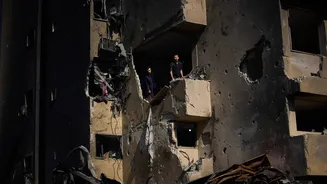
Iran reiterated its earlier proposals, with its delegation informing Iranian state television that they had outlined certain aspects as non-negotiable red lines during their discussions with Sharif.As tensions escalated, Israel continued its military operations in Lebanon, while Iran insisted that negotiations should include a halt to the fighting. Reports from the Lebanese state-run news agency indicated that Israeli airstrikes on Saturday resulted in at least three fatalities.
Casualties and Economic Impact of the Conflict
The ongoing conflict has led to the deaths of at least 3,000 individuals in Iran, 1,953 in Lebanon, 23 in Israel, and over a dozen in Gulf Arab states. The war has severely disrupted the Persian Gulf's economy, causing energy prices to soar and damaging infrastructure across several regional countries.In Tehran, residents expressed skepticism yet a glimmer of hope regarding the talks. Shahab Banitaba conveyed concerns about the reliability of any potential agreement, stating, “If we get concrete and final results, there is still a chance that the deal falls through.”
Preconditions and Strategic Posturing
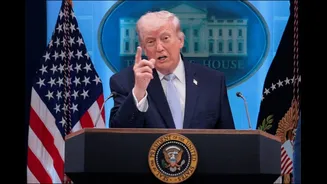
As negotiations approached, U.S. and Iranian officials emphasized their respective demands and asserted leverage. President Donald Trump utilized social media to assert that Iranian officials “have no cards” to negotiate with, emphasizing that their survival hinged on the negotiations.In a series of posts, Trump accused Iran of exploiting the Strait of Hormuz, a vital route for global energy supplies, for coercive purposes, claiming it would be reopened regardless of Iran's involvement.
Security Measures in Islamabad
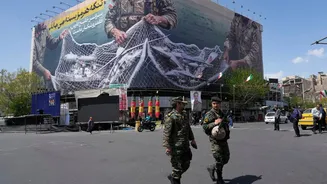
On the day of the talks, Islamabad appeared deserted as security forces cordoned off roads and authorities urged citizens to remain indoors, giving the city a curfew-like atmosphere.Vance expressed optimism about the discussions, but cautioned, “If they’re going to try and play us, then they’re going to find that the negotiating team is not that receptive.”
Iran's Distrust and Proposed Terms
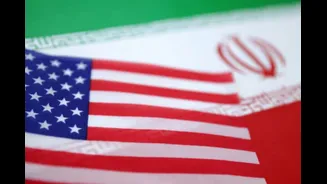
Iranian Foreign Minister Abbas Araghchi articulated that Tehran was entering the negotiations with “deep distrust” due to prior attacks on Iran during previous discussions. He warned that Iran would be prepared to retaliate if attacked again.The two nations presented conflicting proposals before the weekend talks, with Iran offering a 10-point plan advocating for a war cessation and the lifting of economic sanctions, while the U.S. proposed a 15-point plan focusing on curtailing Iran’s nuclear ambitions and reopening the Strait of Hormuz.
Upcoming Negotiations Between Israel and Lebanon
Direct negotiations between Israel and Lebanon are anticipated to commence on Tuesday in Washington, as announced by Lebanese President Joseph Aoun’s office.Israel aims for the Lebanese government to take responsibility for disarming Hezbollah, a goal outlined in a ceasefire agreement from November 2024. However, it remains uncertain if Lebanon's military can effectively disarm the militant group, which has historically resisted such efforts.
Challenges Surrounding the Strait of Hormuz
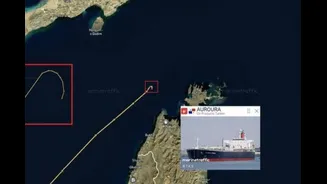
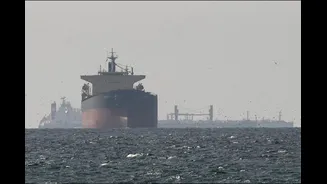
The closure of the Strait of Hormuz has emerged as a critical strategic advantage for Iran amid the conflict. Commercial shipping has largely avoided the strait, disrupting the flow of oil, natural gas, and fertilizers.As of Friday, the price of Brent crude oil was approximately $97, reflecting an increase of over 30% since the onset of the war. Prior to the conflict, around 20% of the world's traded oil transited through the strait, with over 100 vessels daily, many destined for Asia. However, only 12 vessels have been recorded passing through since the ceasefire.
Iran has suggested charging vessels traversing the strait as part of a peace agreement, although this proposal has been broadly rejected by the U.S. and neighboring Oman.