







What is the story about?
BALTI, Moldova (AP) — Following a Russian strike on a hydroelectric plant in Ukraine, tens of thousands of Moldovans have been left without water due to
oil contamination of the Dniester River, which flows through both countries. Moldovan President Maia Sandu has accused Russia of causing pollution that threatens the water supply in Moldova, a candidate for European Union membership, after the attack on the Novodnistrovsk hydropower plant on March 7.
Impact on Water Supply
The Ukrainian hydropower facility is located approximately 15 kilometers (9 miles) upstream from Moldova’s northern border and is critical for supplying water to about 80% of Moldova’s 2.5 million residents. Since the invasion of Ukraine by Russia in 2022, Moscow has frequently targeted civilian infrastructure, including dams and river ports.“Russia bears full responsibility,” Sandu stated on Sunday via a post on X.
Environmental Alert Declared
Moldova’s Ministry of Environment declared a 15-day environmental state of alert on Sunday, enabling authorities to enhance technical interventions and impose temporary water supply restrictions.“We are taking this decision to ensure we prevent any risk to the population’s health,” the ministry explained. “Due to the ongoing pollution with oil products, the risk of spreading contamination and exceeding contaminant levels in the northern Dniester River is significant.”
While oil pollutants have been confirmed in the river, the exact source remains unclear.
Water Shortage Challenges
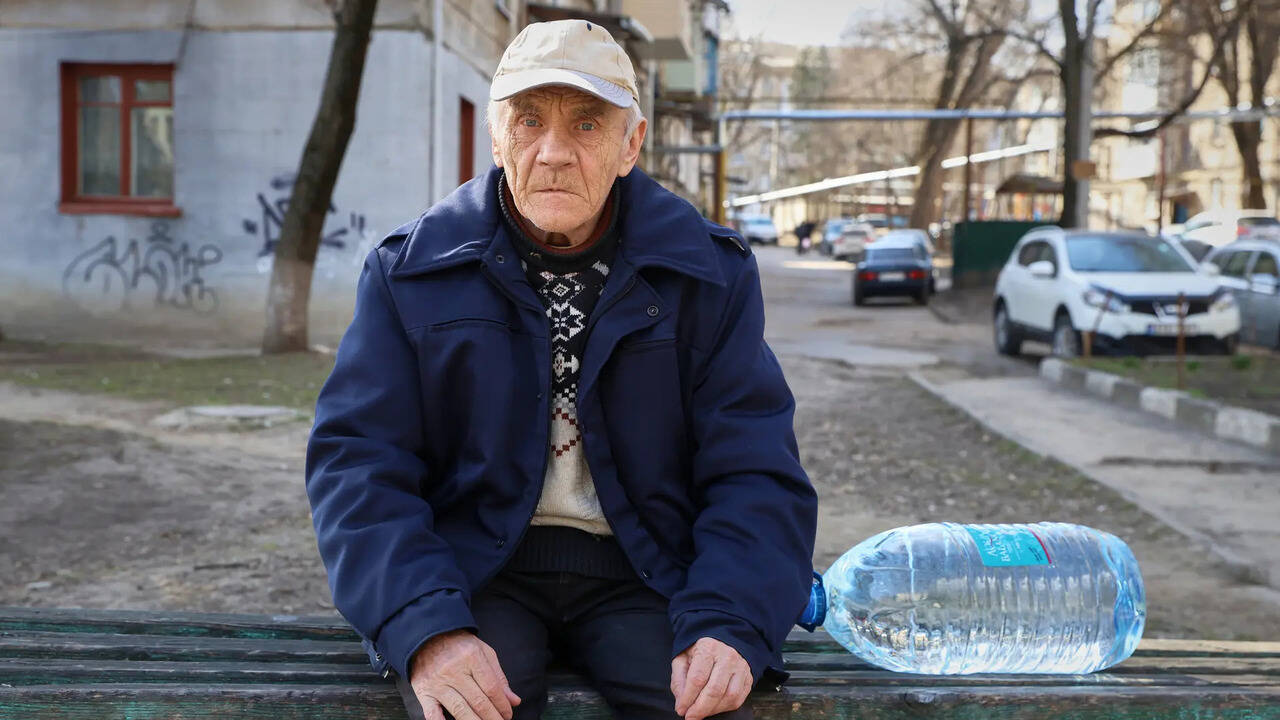
The pollution crisis has led to water supply cuts in several districts, including Balti, Moldova’s second-largest city with a population of around 90,000. To assist, Moldova’s military has begun distributing drinking water from a 10-ton tanker, alongside humanitarian aid from Romania.“It’s very hard, very hard,” said Liuba Istrati, an 84-year-old resident of Balti, who has been carrying buckets of water to her fifth-floor apartment, where she lives with her ailing husband.
The shortage has also forced some schools to close, transitioning to online learning. Teacher Irina Mutluc remarked, “It’s a complicated situation; I have to come every day to get water.”
Monitoring and Cleanup Efforts
Authorities are urgently working to clean up the pollution and monitor the river water. Romania has sent teams and equipment, including absorbent materials, to aid in the cleanup.“The latest samples taken show an improvement in water indicators, confirming the effectiveness of the filters and barriers for capturing and disposing of pollutants,” the Ministry of Environment announced on Wednesday.
Authorities are committed to resuming water supplies based on two consecutive sets of analyses taken on different days, emphasizing that protecting citizens' health is the top priority.
Criminal Investigation Initiated
Moldova’s General Prosecutor’s Office announced on Tuesday that it will launch a criminal investigation into the incident. The foreign ministry summoned Russia’s ambassador to Moldova, Oleg Ozerov, who was presented with a bottle of contaminated water.The Russian embassy in Moldova countered that the Moldovan authorities have not provided concrete evidence of Russia's involvement, labeling the evidence presented as insufficient.
Biologist Ilya Trombitsky from Eco-TIRAS remarked that while the long-term effects of the pollution are still uncertain, the immediate lack of water in several cities indicates significant social damage.