





What is the story about?
The Reserve Bank of India (RBI) has introduced stricter rules, coming into effect from April 1, to reduce fraudulent activities. Under the new framework,
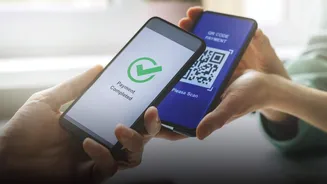
two-factor authentication (2FA) will become mandatory for all digital transactions. This will how users pay via UPI, cards, and mobile wallets and strengthen accountability.
What RBI's new rule says?
Under the new framework, digital payments need to be verified using at least two independent factors. OTPs will remain one component of authentication, but it must be combined with another independent verification step.
"It shall be ensured that for digital payment transactions, other than card present transactions, at least one of the factors of authentication is dynamically created or proven, i.e., the proof of possession of the factor, being sent as part of the transaction, is unique to that transaction," RBI said.
OTPs alone will no longer be sufficient for the authentication and transactions will require an additional verification layer. These could include PIN, password, biometric authentication, or secure token.
Payments will go through two levels of security, making the process slightly longer but significantly safer.
Banks will use a risk-based approach under the new norms. Transactions from trusted devices or routine small payments may remain quick and seamless, and will be tagged as low risk while the large payments or those made from new devices may trigger additional verification steps tagged as high-risk.
Issuers may also explore using DigiLocker as a platform for notification and confirmation for high-risk transactions, as per the RBI guidelines.
Several other key financial changes are set to come in ranging from PAN Card, credit card, FASTag, RuPay debit card among others. The new income tax rules coming into play will simplify the terminology, revise tax treatment on investments and foreign spending. The new framework will make compliance smoother for taxpayers.
Also Read: April 1, 2026 Tax Rule Changes: From PAN Card, FASTag To ATM Withdrawals — Check Full List