






What is the story about?
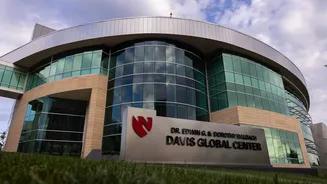
An oncologist who was aboard a cruise ship linked to a hantavirus outbreak is currently the only American isolated at a specialized biocontainment unit
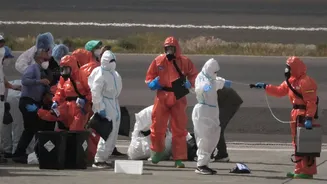
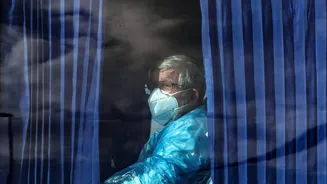
in Nebraska. Dr. Stephen Kornfeld, a resident of Bend, Oregon, volunteered to assist fellow passengers who fell ill while on the MV Hondius in April. After more than 120 passengers and crew members were evacuated and quarantined in various countries, Dr. Kornfeld tested positive for the virus through a nasal swab taken during the voyage. He is now awaiting further test results while being monitored for symptoms.
Current Health Status and Monitoring
While 15 other Americans are being monitored at the National Quarantine Unit at the University of Nebraska Medical Center in Omaha, Dr. Kornfeld has been placed in a separate facility due to his positive test result. During a video call with CNN, he reported feeling well, stating, 'I feel wonderful, 100%.'Dr. Kornfeld experienced flu-like symptoms during the cruise, including night sweats, chills, and fatigue, but he currently exhibits no symptoms. His nasal swab results were confirmed twice in the Netherlands, with one test returning positive and the other negative. He is now waiting for results from a new test conducted upon his return to the U.S.
Global Hantavirus Cases and Recommendations
The World Health Organization (WHO) announced that there have been 11 reported hantavirus cases associated with the cruise, resulting in three fatalities. Of these, eight cases have been confirmed via laboratory tests. Health officials have stated that this outbreak marks the first instance of hantavirus transmission on a cruise ship.Health authorities indicate that the risk to the general public from this outbreak remains low, as hantavirus primarily spreads through rodent droppings and is not easily transmitted between humans. However, the Andes virus detected on the Hondius may pose a rare risk of human-to-human transmission.
The WHO advises all passengers and crew from the cruise ship to remain in quarantine for 42 days, whether at home or in designated facilities, to ensure thorough monitoring and containment of the virus.
Dr. Kornfeld's Experience in Isolation
Describing his current living conditions in Nebraska, Dr. Kornfeld noted that he is in a comfortable hospital room. 'It’s a little weird being in here by myself,' he remarked. 'But the nurses come in, the doctors come in. I’m on WhatsApp all the time. It’s really amazing how quickly time flies.'In addition to the Americans being monitored in Nebraska, two other individuals are receiving observation at the serious communicable disease unit at Emory University Hospital in Atlanta. The ongoing situation underscores the importance of rapid response and effective health monitoring in the face of infectious disease outbreaks.