






What is the story about?
GENEVA (AP) — A convoy believed to be transporting Iranian diplomats arrived on Thursday at the Omani residence in Geneva for indirect nuclear discussions
with the United States. An Associated Press journalist observed the convoy entering the residence, following an earlier convoy that likely carried American negotiators. The meetings are seen as a crucial opportunity for diplomacy as the U.S. increases its military presence in the Middle East to encourage Tehran to reach an agreement.
Context of the Negotiations
Iran and the U.S. are convening in Geneva for nuclear talks perceived as a final chance for diplomacy, coinciding with the U.S. mobilizing aircraft and warships in the region to exert pressure on Iran.President Donald Trump aims to secure a deal that would limit Iran's nuclear ambitions, leveraging the current domestic unrest in Iran, which has seen increased dissent following protests last month.
Iran's Position
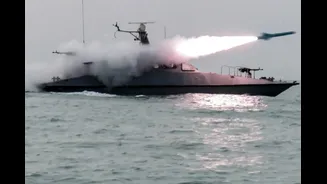
Iran has expressed its intention to continue enriching uranium, despite the significant setbacks to its nuclear program following a U.S. attack in June on three of its nuclear sites.If military action occurs, Iran has warned that all U.S. military bases in the Middle East would be considered legitimate targets, posing risks to thousands of American service members. Furthermore, Iran has threatened to retaliate against Israel, raising fears of a broader regional conflict.
Statements from Officials
Iranian Foreign Minister Abbas Araghchi remarked, “There would be no victory for anybody — it would be a devastating war,” during an interview prior to his departure for Geneva.He added that the spread of conflict could engage the entire region, highlighting the dire consequences of potential military action.
Details of the Ongoing Talks
In this latest round of discussions, Araghchi will negotiate with Steve Witkoff, a special envoy and close associate of Trump. Their previous negotiations collapsed after the outbreak of conflict in June, which was instigated by Israel's military actions against Iran.The talks are mediated by Oman, which has historically acted as an intermediary between Iran and Western nations. Following his arrival in Geneva, Araghchi met with Oman's Foreign Minister Badr al-Busaidi to discuss Iran's proposals for the negotiations.
U.S. Goals and Intelligence Assessments
The U.S. aims to halt Iran's uranium enrichment and address its missile program and support for regional militant groups. However, Iran insists that the discussions should focus solely on nuclear issues.U.S. Secretary of State Marco Rubio noted that while Iran is not currently enriching uranium, it is actively working towards that capability. He stated, “They’re trying to get to the point where they ultimately can.”
Concerns Over Military Action
The potential for military action against Iran raises significant uncertainties, particularly regarding its effectiveness in securing concessions during negotiations. Limited strikes may not achieve the desired outcomes, while more extensive military campaigns could lead to greater instability.Furthermore, the implications of military action could extend beyond Iran, as Tehran may retaliate against U.S. allies in the region or Israel, escalating tensions further. Oil prices have already seen an uptick due to these concerns, with Brent crude nearing $70 per barrel.