






Saudi Arabia is confronting a dangerous escalation on two fronts, security and energy, as Yemen's Iran-backed Houthis intensify their missile and drone
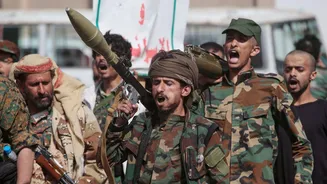
campaign, wounding 13 civilians in the latest barrage while the kingdom's oil arteries strain under mounting pressure. The Houthis struck civilian areas in Khamis Mushait, Abha and Taif with ballistic missiles and drones on Monday, Saudi authorities said, with early-warning sirens sounding across several cities on Tuesday morning. The strikes left 13 civilians with minor to moderate injuries and damaged seven houses and two vehicles, said Major General Turki Al-Malki, spokesperson for the Coalition to Restore Legitimacy in Yemen, in a statement posted early Tuesday. Saudi Civil Defense issued alerts across western and southern Saudi Arabia, including Abha, Jeddah, Jazan, Taif, Yanbu and AlUla. Al-Malki accused the group of a deliberate and repeated campaign against civilians, and said coalition forces would respond firmly to protect the kingdom's sovereignty. The latest casualties come just a week after a Houthi attack injured more than 70 people, including women and children, across several Saudi towns and cities.
Saudi Oil On The Brink
The attacks land as Saudi Arabia's oil infrastructure faces its gravest threat in years.
The kingdom shut down its East-West Pipeline on Friday after a string of drone strikes hit the line across the Riyadh and Madinah regions, an attack Riyadh has blamed on Iran-backed militias in Iraq. Gulf and Muslim organisations condemned the strike and rallied behind the kingdom.
The 1,200-km (745-mile) pipeline, built in the 1980s to carry crude from the Gulf to the Red Sea, was designed precisely to bypass the Strait of Hormuz. With Hormuz now largely blocked, traders warn that a prolonged shutdown could choke off as much as 4% of global oil supply. Saudi Arabia has not said when the line will reopen.
Meanwhile, the Houthis are tightening their grip on Yemen's western coast near the Red Sea. Yemeni officials said the group has reportedly seized Perim Island, at the Red Sea's entrance — a move that piles further pressure on Saudi oil exports and raises fears the conflict could spread and threaten global supplies.
The Houthis said Monday they had fired dozens of missiles and drones at a military airbase in Khamis Mushait, claiming hits on hangars, radar systems, runways and ammunition depots in retaliation for Saudi airstrikes in Yemen. Saudi authorities confirmed the civilian casualties but not the military claims.
Saudi and Yemeni forces have stepped up airstrikes on Houthi positions, including around the historic Red Sea port of Mocha. But officials from Yemen's internationally recognised government concede the Houthis still control almost the entire Red Sea coastline. "The Houthis are being put under heavy pressure. They in turn are putting more and more pressure on the Saudis," one Yemeni official said.
Trump Looks The Other Side As Hormuz Crisis Deepens
The renewed fighting hands US President Donald Trump a fresh headache. Three sources told Reuters that Washington has so far rebuffed Saudi requests for direct military intervention, offering only intelligence support.
Trump said over the weekend that he had spoken with Crown Prince Mohammed bin Salman, and that the Houthis had also reached out to Washington, urging the US to stay out. Saudi state media reported that the crown prince met US regional commander Admiral Brad Cooper in Jeddah on Monday.
Riyadh has led a coalition against the Houthis since 2015. A ceasefire had calmed the conflict in recent years,until fighting flared again on September 3, as the Houthis pushed back government-aligned forces.
Diplomacy, meanwhile, is stalling. Oman postponed a Monday meeting between Iran and Gulf states aimed at reopening the Strait of Hormuz, the artery through which roughly 20% of the world's oil once flowed, now largely shut since the war began on February 28. Iran said the talks were shelved at Saudi Arabia's request.
Trump insisted Monday that Tehran was eager for a quick deal. But Mohsen Rezaei, secretary of Iran's Supreme National Security Council, dismissed the overture as a distraction, writing on X: "No talks until Iran's conditions are met."
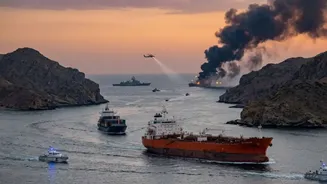
The uncertainty is rippling through regional shipping. Iran's Revolutionary Guard Corps said the Panamanian-flagged tanker El Gaia was struck by sea mines in a prohibited zone south of Hormuz, according to Fars news agency. US Central Command rejected that account, saying the vessel had been hit by an Iranian missile last month and left inoperable. The UN's International Maritime Organization confirmed the ship was damaged on Saturday, with two seafarers missing, but did not say how. Reuters said it could not reach the owners in Dubai.
The IRGC left no doubt about its posture: "The Strait of Hormuz is closed and still under our smart control."