








What is the story about?
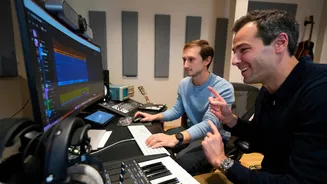
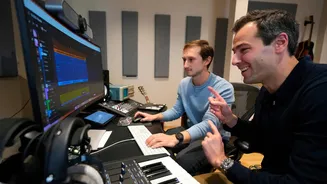
CAMBRIDGE, Mass. (AP) — Suno CEO Mikey Shulman collaborates with a research scientist in the studio, generating a new song using artificial intelligence.
The duo inputs descriptive terms such as Afrobeat and 90 beats per minute, resulting in a lively track that fills their office in Cambridge, Massachusetts. As AI-generated music platforms like Suno and Udio gain popularity, they face backlash from the music industry, which accuses them of copyright infringement. Following the creation of millions of AI-generated songs, both startups are now seeking negotiations with record labels to establish their presence in the music sector.
Industry Backlash and Legal Challenges
The music industry has expressed anger over the use of AI to replicate the works of established musicians. In 2024, major labels including Sony Music, Universal Music, and Warner Records filed lawsuits against Suno and Udio, alleging copyright violations. These legal actions have prompted the startups to attempt reconciliation with the industry.Suno, currently valued at $2.45 billion, reached a settlement with Warner last year, while Udio has secured licensing agreements with Warner, Universal, and the independent label Merlin. However, Sony remains the only major label yet to resolve its legal disputes with either startup as lawsuits progress in federal courts in Boston and New York. Additionally, Suno is facing legal scrutiny in Europe from organizations representing music creators.
User Reactions and Company Adaptations
The settlement between Udio and Universal resulted in some users being unable to download their own AI-generated tracks, leading to dissatisfaction. Udio CEO Andrew Sanchez remains optimistic, stating that the company is adapting its business model to allow fans to engage with and modify the works of participating artists.“Having a close relationship with the music industry is elemental to us,” Sanchez remarked in an interview. “Users really want to have an anchor to their favorite artists.”
Artist Concerns and Campaigns
Despite the startups' efforts, many musicians express skepticism about AI's impact on the industry. Tift Merritt, a singer-songwriter and co-chair of the Artists Rights Alliance, recently led a campaign titled “Stealing Isn't Innovation,” advocating for AI companies to engage in licensing agreements instead of operating independently of copyright laws.Merritt emphasized the importance of artists' intellectual property, stating, “The economy of AI music is built totally on the intellectual property, globally, of musicians everywhere without transparency, consent, or payment.”
Shulman and Sanchez's Perspectives
Shulman argues that technology often evolves faster than legal frameworks, asserting that his company aims to comply with the law while delivering desired products. He expressed regret over past comments that may have alienated musicians, clarifying that creating music can sometimes be challenging.Conversely, Sanchez, an opera enthusiast, highlights his commitment to fostering a friendly relationship with artists. He acknowledges that not every musician will embrace AI but hopes that discussions with him will alleviate concerns about AI's role in music creation.
Potential of AI in Music Creation
Some artists see the potential benefits of AI in music. Christopher “Topher” Townsend, a one-man band from Mississippi, utilizes AI tools to produce music rapidly. He acknowledges the fears of artists regarding AI but also recognizes its efficiency.Jonathan Wyner, a Berklee College of Music professor, views generative AI as a valuable tool that can enhance music creation and accessibility. However, many artists remain wary of AI platforms, particularly those involved in ongoing legal disputes.